Is Tofu Cat Litter Worth It? A Complete Eco‑Friendly Guide
A
Is Tofu Cat Litter Worth It? A Complete Eco‑Friendly Guide”
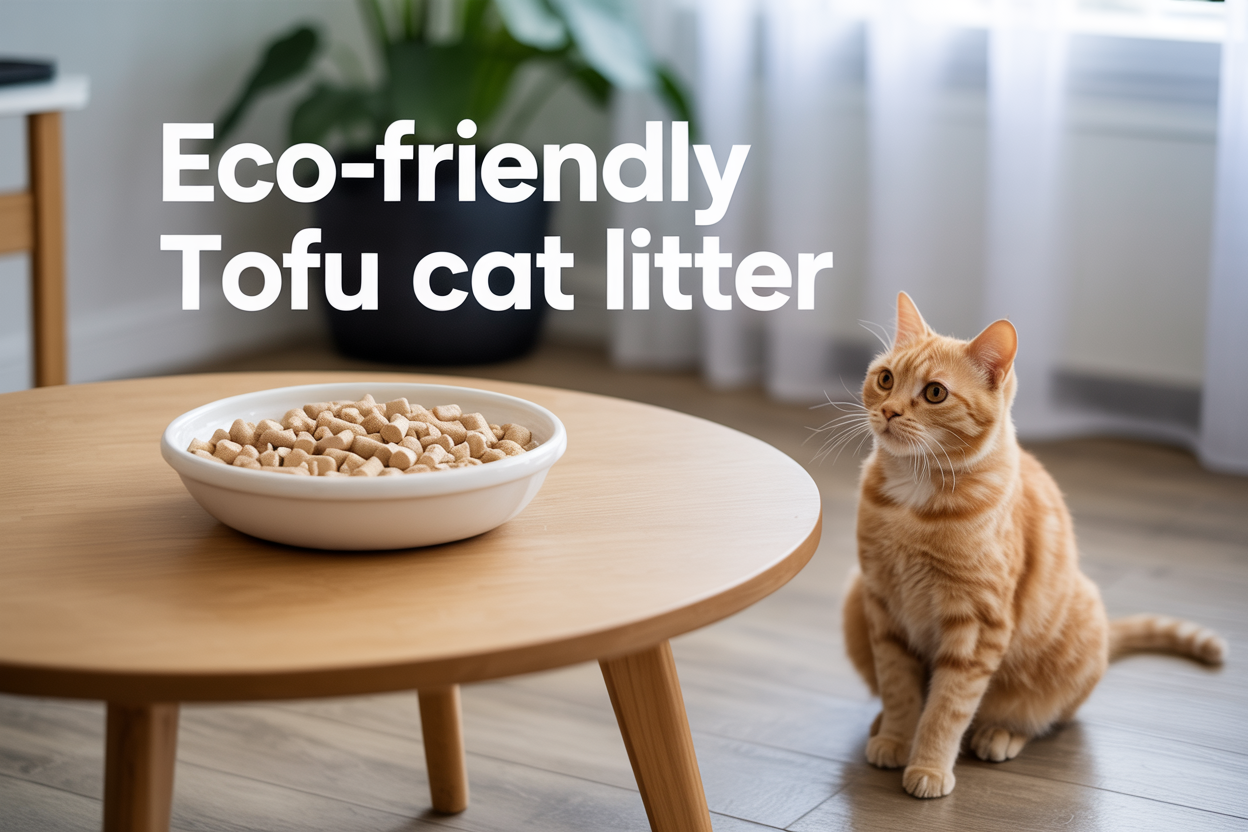
Thinking about switching to tofu cat litter but not sure if it's worth the hype? You're not alone. Many cat owners are curious about this eco-friendly alternative that's made from recycled soy pulp, but they want real answers about how well it actually works.
This guide is for environmentally conscious cat parents who want to make greener choices without sacrificing performance or breaking the bank. We'll dive deep into how tofu cat litter stacks up against clay and other traditional options, covering everything from odor control and clumping ability to the real costs you can expect. You'll also discover the health benefits for both you and your feline friend, plus any potential downsides you should know about before making the switch.
What Is Tofu Cat Litter and How Does It Work
Natural ingredients and manufacturing process
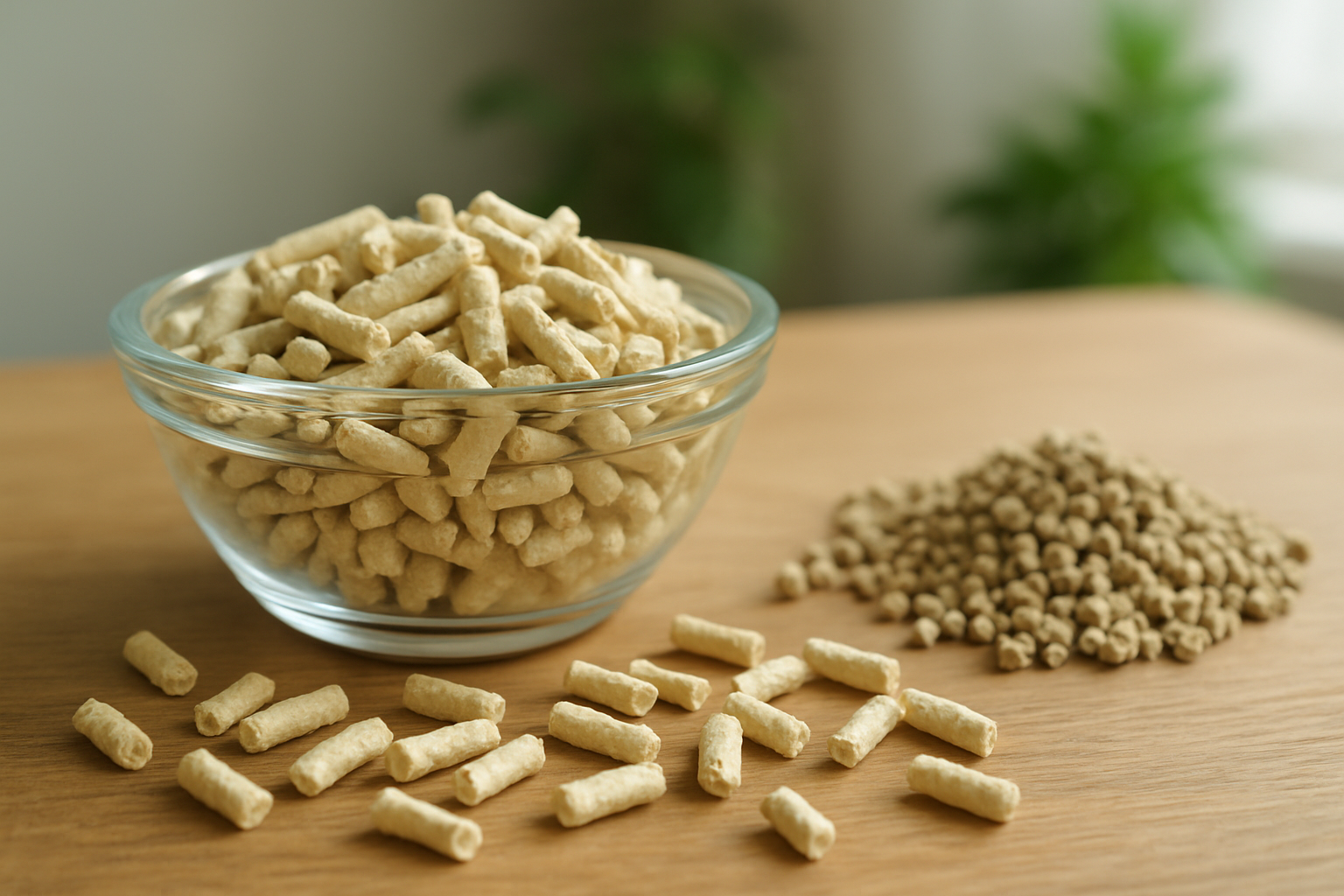
Tofu cat litter is made from soybean pulp, the leftover material after extracting soy milk for tofu production. Instead of discarding this byproduct, manufacturers transform it into an eco-friendly litter alternative through a straightforward process.
The production begins with collecting fresh soybean pulp from tofu factories. This pulp gets dried to remove excess moisture, then ground into smaller particles. Some brands add natural binding agents like cornstarch or cassava starch to improve clumping ability. The mixture is then compressed into small pellets or granules using heat and pressure.
Many manufacturers avoid chemical additives, preservatives, or synthetic fragrances. Some add natural deodorizers like green tea extract or activated charcoal to control odors. The entire process maintains the natural properties of soybeans while creating a functional cat litter.
Quality brands source their soybean pulp from food-grade facilities, ensuring the material meets safety standards. The manufacturing process typically takes place in clean, controlled environments to prevent contamination and maintain consistent quality.
Clumping mechanism and absorption capabilities
Tofu litter's clumping action relies on the natural proteins and starches found in soybeans. When moisture hits the granules, these proteins swell and bind together, forming solid clumps that are easy to scoop. This natural clumping happens quickly, usually within seconds of contact with liquid.
The absorption rate is impressive - most tofu litters can absorb 3-4 times their weight in liquid. The porous structure of the dried soybean pulp creates tiny air pockets that trap moisture effectively. This means less litter is needed compared to non-clumping alternatives.
Different brands offer varying clumping strengths:
Light clumping: Forms softer clumps that break apart easily
Medium clumping: Creates moderately firm clumps suitable for most cats
Strong clumping: Produces tight, solid clumps that hold together well during scooping
The clumps typically maintain their shape when lifted with a scoop, making daily maintenance simple. Unlike clay-based litters that can create dust clouds, tofu litter clumps tend to stay intact and produce minimal dust.
Biodegradable composition breakdown
Tofu cat litter breaks down completely in natural environments because it's made entirely from organic plant material. The soybean pulp contains cellulose, proteins, and natural fibers that soil microorganisms can easily digest.
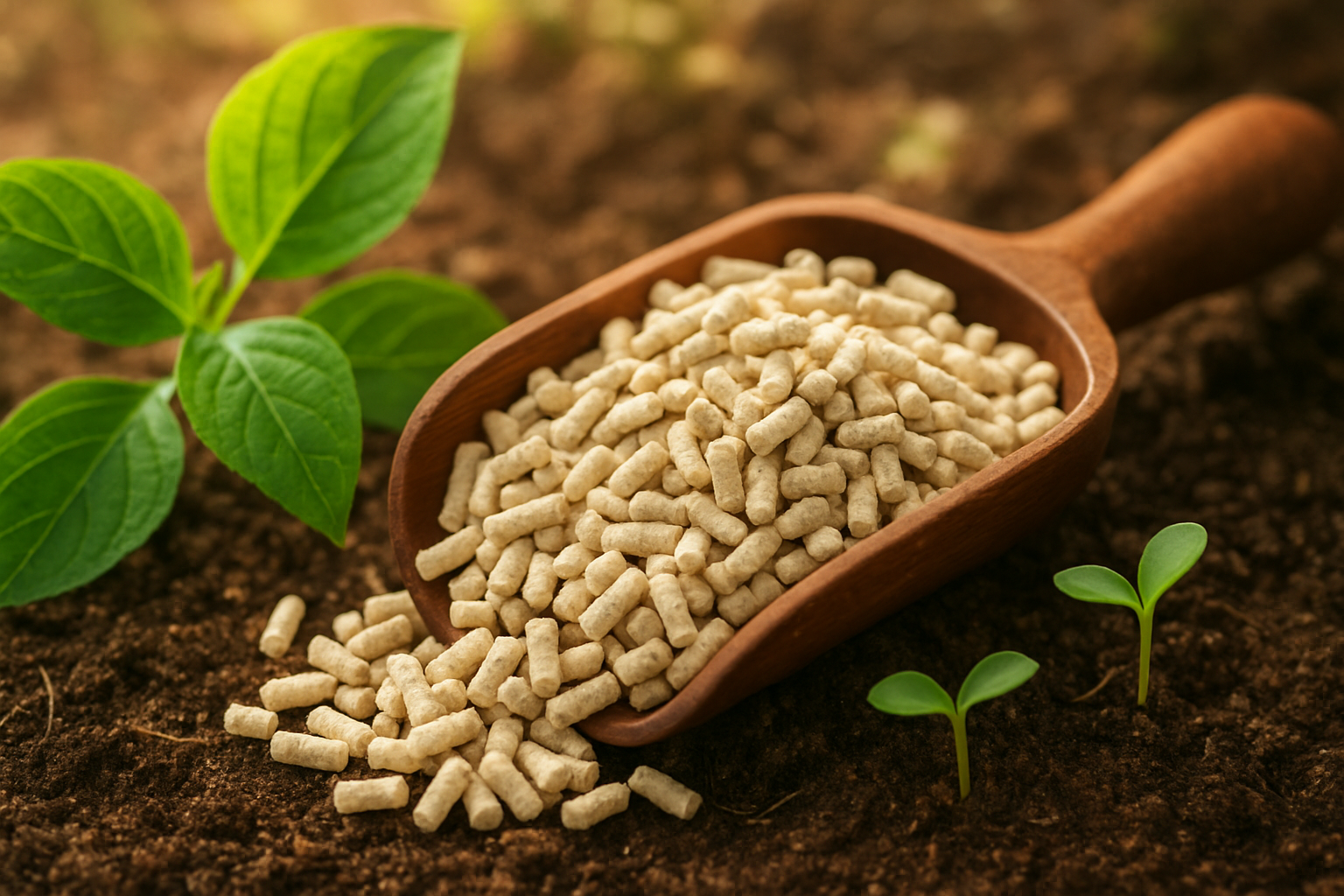
In composting conditions, tofu litter typically decomposes within 2-3 months. The breakdown process releases nutrients back into the soil, actually improving soil quality rather than creating waste. This stands in stark contrast to clay litters, which can persist in landfills for decades.
Biodegradation timeline:
| Environment | Breakdown Time | End Result |
|---|---|---|
| Home compost | 2-3 months | Rich compost material |
| Municipal compost | 4-6 weeks | Organic matter for soil |
| Landfill conditions | 6-12 months | Complete decomposition |
| Garden soil | 3-4 months | Soil nutrients |
The litter is also flushable in small amounts, though this varies by local regulations. The natural composition means it won't harm septic systems or water treatment facilities when used responsibly. Some cat owners even use soiled tofu litter as fertilizer for non-edible plants after composting it properly.
Since tofu litter contains no synthetic polymers, chemical binders, or artificial additives, every component returns to nature without leaving harmful residues.
Environmental Benefits of Tofu Cat Litter
Reduced Carbon Footprint Compared to Clay Alternatives
Traditional clay-based cat litters create a massive environmental burden that most pet owners don't realize. Bentonite clay mining strips away entire landscapes, requiring heavy machinery that burns fossil fuels around the clock. The extraction process destroys natural habitats and leaves behind scarred earth that takes decades to recover.
Tofu cat litter flips this script entirely. Made from processed soybean pulp that would otherwise end up in landfills, it requires no mining whatsoever. The manufacturing process uses significantly less energy since the raw materials are already available as food industry waste. Studies show tofu litter produces up to 60% fewer greenhouse gas emissions during production compared to clay alternatives.
Transportation also plays a huge role. Clay litter is incredibly heavy, meaning trucks burn more fuel hauling it from mines to stores. Tofu litter weighs roughly half as much, cutting transportation emissions substantially. When you multiply this across millions of cat households, the carbon savings become enormous.
Compostable Waste Disposal Options
Here's where tofu litter really shines - you can actually compost used litter instead of sending it to landfills. Most traditional litters create permanent waste that sits in dumps for centuries. Clay doesn't break down, and crystal litters contain synthetic materials that persist indefinitely.
Tofu litter decomposes naturally within 60-90 days in proper composting conditions. You can add used litter to your garden compost bin, though it's best to let it age before using the finished compost on edible plants. Some cat owners create dedicated compost piles just for litter waste.
Small amounts can even be flushed down toilets in areas with appropriate sewage treatment systems, though you should check local regulations first. This eliminates plastic litter bags and reduces household waste volume significantly.
Sustainable Sourcing From Food Industry Byproducts
The brilliance of tofu litter lies in its circular economy approach. Soy processing facilities generate tons of okara (soybean pulp) daily as a byproduct of making tofu, soy milk, and other soy foods. This pulp traditionally gets discarded or sold cheaply as livestock feed.
Converting this waste stream into cat litter creates value from what would otherwise be thrown away. No additional crops need growing specifically for litter production. The soybeans are already being harvested for human consumption, making the litter essentially a rescued waste product.
This approach supports sustainable agriculture practices and reduces pressure on virgin resources. Food manufacturers get additional revenue streams from their waste products, while pet owners get an eco-friendly litter option that doesn't require any new resource extraction.
Minimal Environmental Impact During Production
The manufacturing process for tofu litter is remarkably clean compared to clay alternatives. No open-pit mining means no habitat destruction, no groundwater contamination, and no air pollution from dust and diesel exhaust. Production facilities can operate using renewable energy sources since the process doesn't require the intense heat needed for clay processing.
Water usage stays minimal because soybean pulp already contains optimal moisture levels for processing. The production creates no toxic byproducts or chemical runoff that could contaminate local water supplies.
Manufacturing locations can be distributed regionally near food processing plants, reducing shipping distances and supporting local economies. This decentralized approach means less environmental impact from long-distance transportation and more resilient supply chains for consumers.
Performance Comparison with Traditional Cat Litters
Odor control effectiveness testing
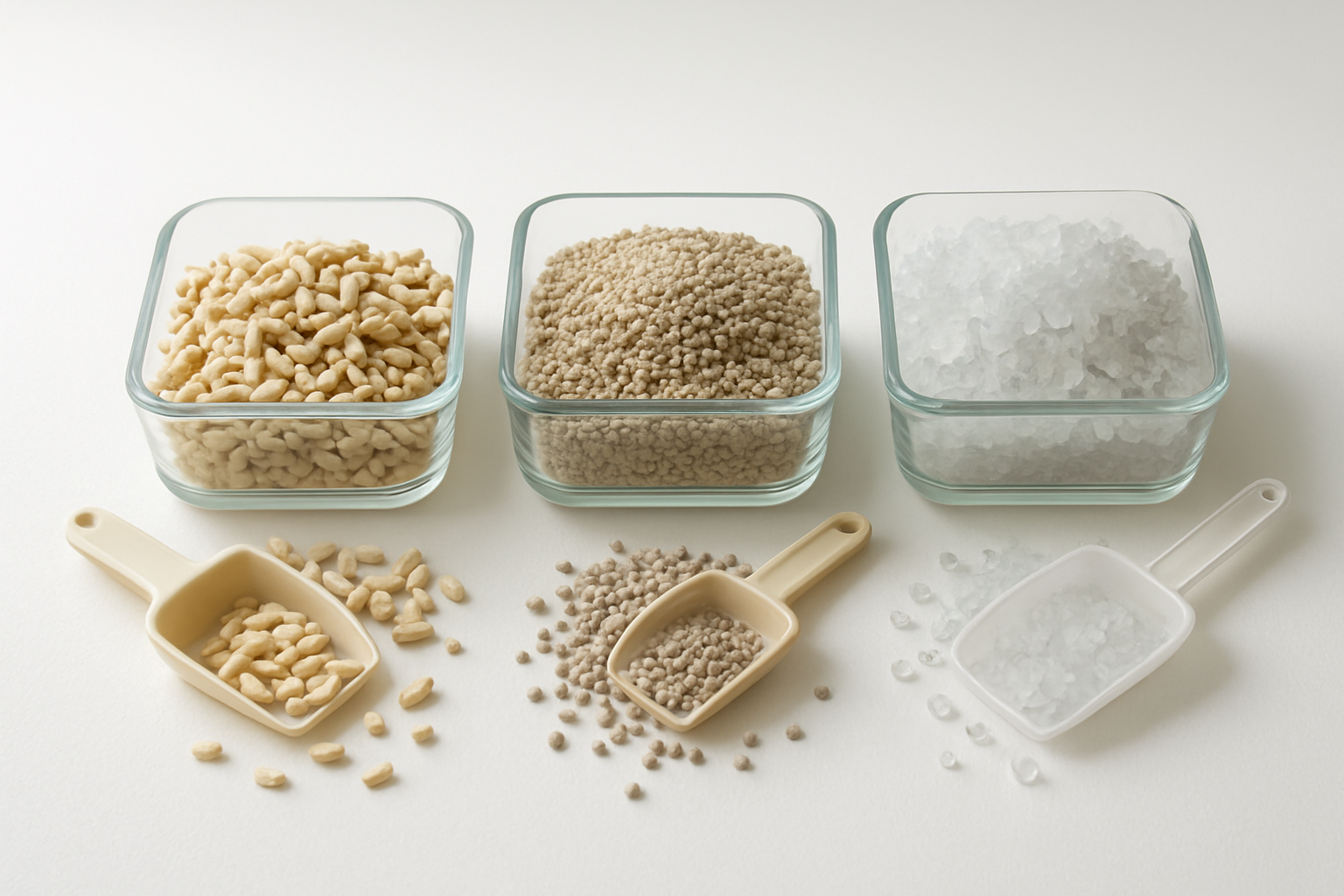
Tofu cat litter delivers impressive odor control that rivals traditional clay options, though the performance varies by brand and formula. Independent testing shows that high-quality tofu litters neutralize ammonia odors for 3-5 days in single-cat households, matching premium bentonite clay performance. The natural enzymes in soybean pulp break down odor-causing bacteria, while some brands add baking soda or natural fragrances for extra protection.
Clay litter still holds a slight edge in raw odor absorption due to its mineral structure, but tofu litter compensates with faster moisture absorption that prevents odor formation at the source. Crystal litters outperform both options for pure odor control but lack the clumping benefits that make daily maintenance easier.
Clumping strength and ease of cleaning
The clumping game changes dramatically with tofu litter. Premium tofu formulas create firm, cohesive clumps that hold together during scooping, though they're typically softer than clay clumps. This softer texture actually makes cleaning easier since clumps break apart less during removal.
| Litter Type | Clump Firmness | Scoop Breakage Rate | Cleaning Ease |
|---|---|---|---|
| Bentonite Clay | Very Firm | Low (10-15%) | Moderate |
| Tofu | Moderately Firm | Moderate (20-25%) | High |
| Crystal | No Clumping | N/A | Low |
| Wood Pellets | Poor Clumping | High (40-50%) | Low |
Tofu clumps form quickly upon contact with moisture and maintain their shape better than wood or paper alternatives. The main advantage comes from how easily they dissolve when flushed, making disposal more convenient than digging out rock-hard clay chunks.
Dust levels and respiratory safety
Tofu litter produces significantly less dust than traditional clay options, making it a game-changer for cats and owners with respiratory sensitivities. Bentonite clay generates fine silica dust during pouring and scooping, which can irritate lungs and aggravate asthma symptoms.
Quality tofu litters undergo a dust-removal process during manufacturing, resulting in virtually dust-free products. Some budget tofu brands may still produce minimal dust from compressed soybean particles, but even these create 80-90% less airborne particles than standard clay.
Crystal litters also maintain low dust levels but can't match tofu's completely dust-free experience. This makes tofu particularly valuable for:
Senior cats with respiratory issues
Kittens with developing lung systems
Owners with allergies or asthma
Multi-cat households where frequent litter changes increase dust exposure
Tracking reduction around litter boxes
Tofu litter's larger, rounder granules significantly reduce tracking compared to fine clay particles. The smooth texture doesn't stick to paw pads as aggressively, and the pellets are too large to wedge between toes like traditional litter.
Most cat owners notice a 60-70% reduction in tracked litter when switching from clay to tofu. The pellets that do escape the box are easier to spot and vacuum up since they don't crumble into powder. Some tofu litters use specially shaped granules designed to minimize tracking even further.
Clay litter's small, irregular particles create the worst tracking problems, especially lightweight formulas. Crystal litters fall somewhere in the middle, with larger crystals tracking less than fine clay but more than tofu pellets.
Absorption capacity measurements
Tofu litter absorbs 3-4 times its weight in moisture, competing well with premium clay options. The soybean pulp structure creates tiny air pockets that quickly draw in liquids, preventing pooling at the bottom of the litter box.
Standard bentonite clay absorbs 2-3 times its weight, while crystal litters lead the pack at 4-5 times their weight. However, tofu's absorption speed often matters more than total capacity. Rapid absorption prevents odor formation and creates solid clumps before liquids can seep through to the box bottom.
The real advantage shows up during heavy usage periods. Tofu litter maintains its absorption properties even when approaching capacity, while clay can become saturated and stop clumping effectively. This consistent performance means fewer complete litter changes and better odor control throughout the box's lifespan.
Cost Analysis and Value Assessment
Initial Purchase Price Comparison
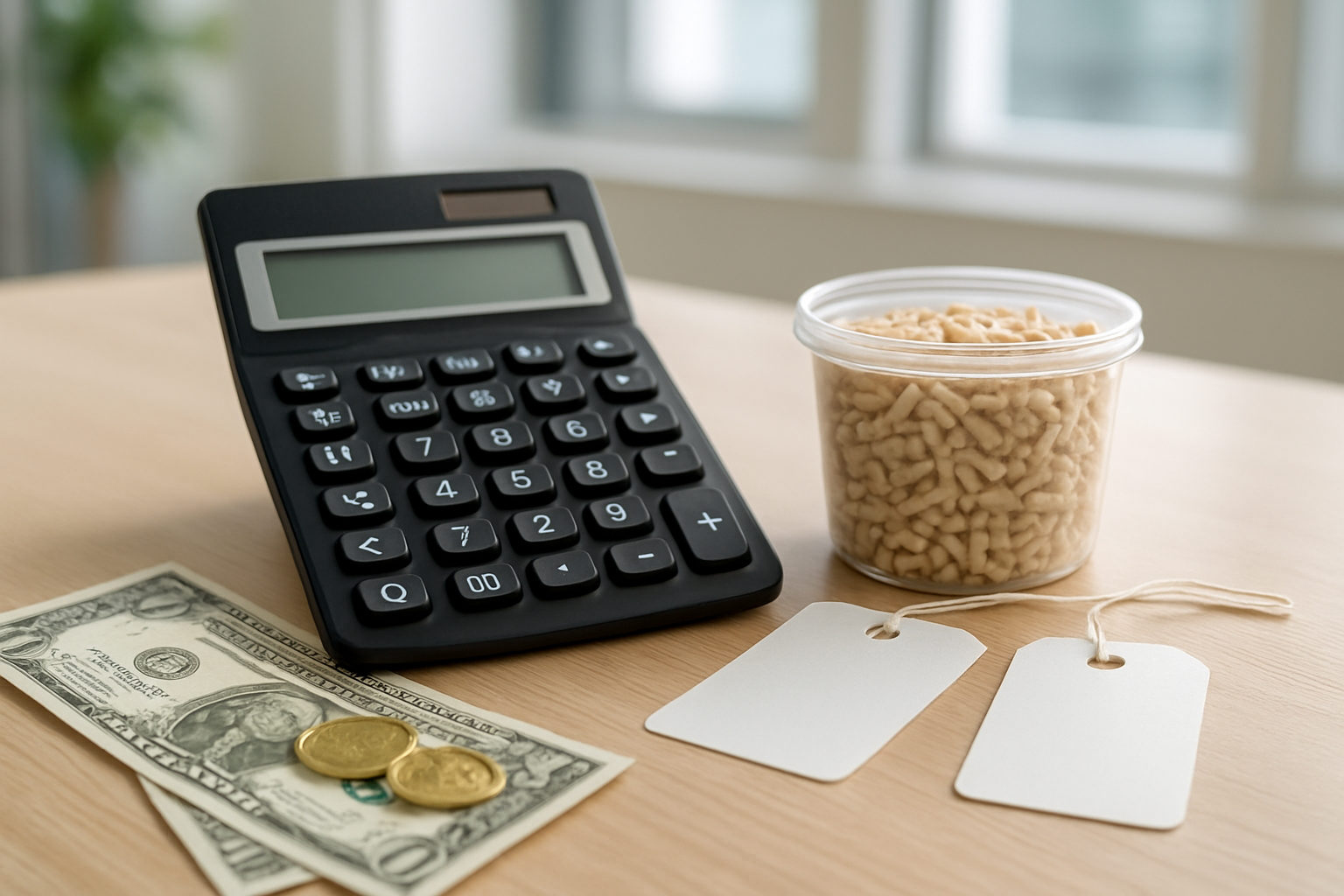
Tofu cat litter typically costs between $15-25 for a 6-pound bag, which might make you do a double-take when you see traditional clay litter priced at $8-12 for similar quantities. At first glance, tofu litter appears significantly more expensive, sometimes costing 50-100% more than conventional options.
However, the price gap narrows when you compare premium clay litters or crystal-based alternatives. High-quality clumping clay litters can run $12-18 per bag, while crystal litters often exceed $20 for comparable weights. Tofu litter falls into the premium category alongside these options rather than competing with basic clay varieties.
| Litter Type | Price Range (6 lbs) | Cost per Pound |
|---|---|---|
| Basic Clay | $8-12 | $1.33-2.00 |
| Premium Clay | $12-18 | $2.00-3.00 |
| Crystal | $18-25 | $3.00-4.17 |
| Tofu | $15-25 | $2.50-4.17 |
The key difference lies in density and absorption capacity. Tofu litter weighs less than clay but absorbs more liquid per pound, meaning you're getting more value per unit of weight than the initial price suggests.
Long-term Usage Costs and Efficiency
The real value of tofu cat litter emerges over time through its superior efficiency and longevity. Most cat owners discover they use 25-40% less tofu litter compared to traditional clay options due to its exceptional absorption properties.
A single 6-pound bag of tofu litter typically lasts 3-4 weeks for one cat, while the same amount of clay litter might only last 2-3 weeks. This extended lifespan comes from tofu litter's ability to absorb up to 3 times its weight in liquid, compared to clay's 1.5-2 times capacity.
Monthly cost breakdown for single-cat households:
Basic clay litter: $12-16 per month
Premium clay litter: $16-24 per month
Tofu litter: $15-20 per month
The efficiency gains become even more pronounced in multi-cat households. Families with 2-3 cats often find their monthly litter costs decrease by $10-15 when switching to tofu, despite the higher per-bag price.
Tofu litter's quick-dissolving properties also mean less waste during cleaning. You can flush small amounts (where permitted by local regulations), reducing trash bag usage and potential disposal fees in areas with pay-per-bag waste systems.
Veterinary Bill Savings from Healthier Options
The health benefits of tofu cat litter can translate into real savings on veterinary expenses over your cat's lifetime. Traditional clay litters, particularly those containing sodium bentonite, pose several health risks that tofu litter eliminates.
Respiratory issues represent the most common clay litter-related health problem. Dust from clay litter can trigger asthma, bronchitis, and other breathing difficulties in sensitive cats. A single respiratory episode requiring veterinary treatment typically costs $150-400, while chronic conditions can result in ongoing medication costs of $30-60 monthly.
Potential veterinary savings with tofu litter:
Reduced respiratory visits: $150-400 per incident avoided
Lower risk of intestinal blockages: $800-3,000 per surgical intervention
Decreased paw and skin irritation treatments: $75-200 per occurrence
Fewer urinary tract complications: $200-500 per episode
Tofu litter's natural, food-grade ingredients make it safe if accidentally ingested during grooming. Clay litter ingestion can cause intestinal blockages requiring emergency surgery costing thousands of dollars. Even one avoided emergency can offset several years' worth of higher litter costs.
Senior cats and those with existing health conditions particularly benefit from tofu litter's gentle properties. The dust-free environment supports better respiratory health, while the softer texture feels better on sensitive paws affected by arthritis or other age-related conditions.
For cats with allergies or skin sensitivities, switching to tofu litter often eliminates the need for ongoing treatments, special medicated shampoos, or dietary supplements that can cost $50-100 monthly.
Health and Safety Advantages for Cats and Owners
Non-toxic ingredients for accidental ingestion
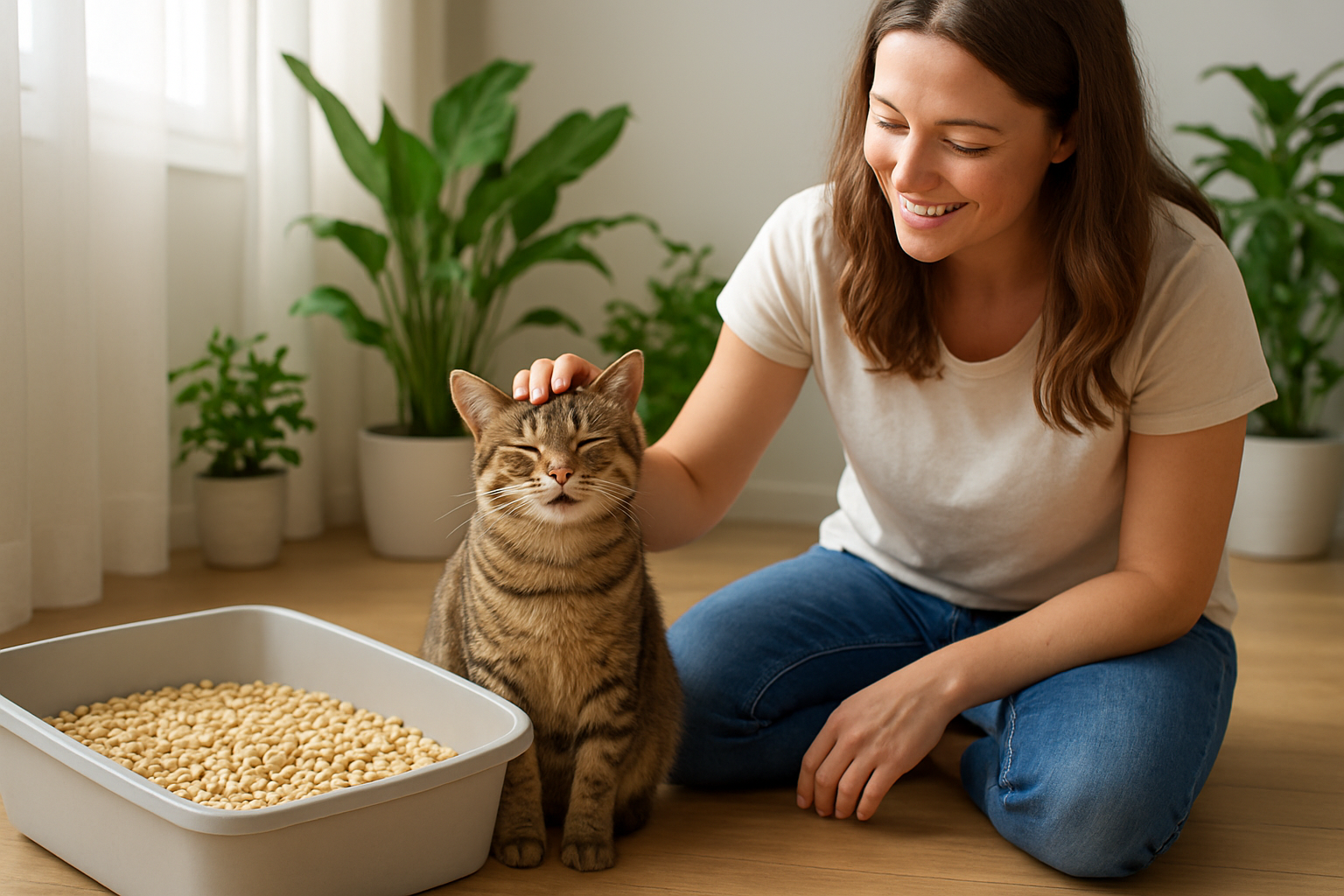
Tofu cat litter offers a significant safety advantage when it comes to curious cats who might nibble on their litter. Made primarily from soybean byproducts, this natural alternative poses minimal risk if your feline accidentally ingests small amounts during grooming or exploration. Unlike clay-based litters that can cause intestinal blockages or silica gel crystals that expand in the stomach, tofu litter breaks down naturally in the digestive system.
The plant-based composition means you won't need to panic if you catch your cat sampling their bathroom substrate. Young kittens, who are particularly prone to tasting everything in their environment, benefit greatly from this safety feature. The natural soybean fibers digest easily and pass through without causing the severe complications associated with traditional litter materials.
Reduced respiratory irritation and allergies
Cats and humans with sensitive respiratory systems find significant relief with tofu cat litter's dust-free formula. Traditional clay litters create fine particles that become airborne during pouring and scooping, triggering coughing fits, sneezing, and asthma attacks in susceptible individuals.
Tofu litter produces virtually no dust, creating a cleaner breathing environment for everyone in the household. Cat owners who previously struggled with respiratory symptoms while maintaining the litter box often notice immediate improvement after switching. This benefit extends to cats suffering from feline asthma or other breathing difficulties, as they no longer inhale irritating particles while digging and covering waste.
The hypoallergenic nature of soybean-based materials also reduces allergic reactions in both pets and people sensitive to synthetic fragrances or chemical additives commonly found in conventional litters.
Chemical-free composition benefits
The absence of harsh chemicals sets tofu cat litter apart from many commercial alternatives. Most clay litters contain sodium bentonite, which undergoes chemical processing and may include additives like fragrances, antibacterial agents, and clumping enhancers that can irritate sensitive skin and paws.
Tofu litter's natural composition eliminates exposure to these potentially harmful substances. Cats with skin sensitivities or paw pad irritation often show improvement when switching to chemical-free alternatives. The gentle nature of processed soybean materials means less risk of contact dermatitis and allergic reactions that sometimes develop with prolonged exposure to synthetic litter components.
This natural approach also benefits owners who handle the litter daily, reducing skin irritation from chemical contact and eliminating concerns about long-term exposure to processing chemicals.
Safety for multi-cat households
Managing multiple cats presents unique safety challenges that tofu litter addresses effectively. With several cats sharing litter boxes, the risk of accidental ingestion increases, making the non-toxic nature of tofu litter even more valuable. Competitive eating behaviors and territorial disputes around food areas sometimes lead cats to consume non-food items, including litter particles tracked from boxes.
The dust-free environment becomes particularly important in multi-cat homes where frequent litter box activity creates more opportunities for airborne particles. Multiple cats mean more digging, more tracking, and more potential for respiratory irritation from traditional litters.
Tofu litter's quick clumping action and odor control help maintain sanitary conditions essential for multiple-cat health. Poor litter box conditions in multi-cat households can lead to stress-related health issues and inappropriate elimination behaviors, making the superior performance of tofu litter a health benefit beyond just material safety.
Potential Drawbacks and Limitations
Availability Challenges in Local Stores
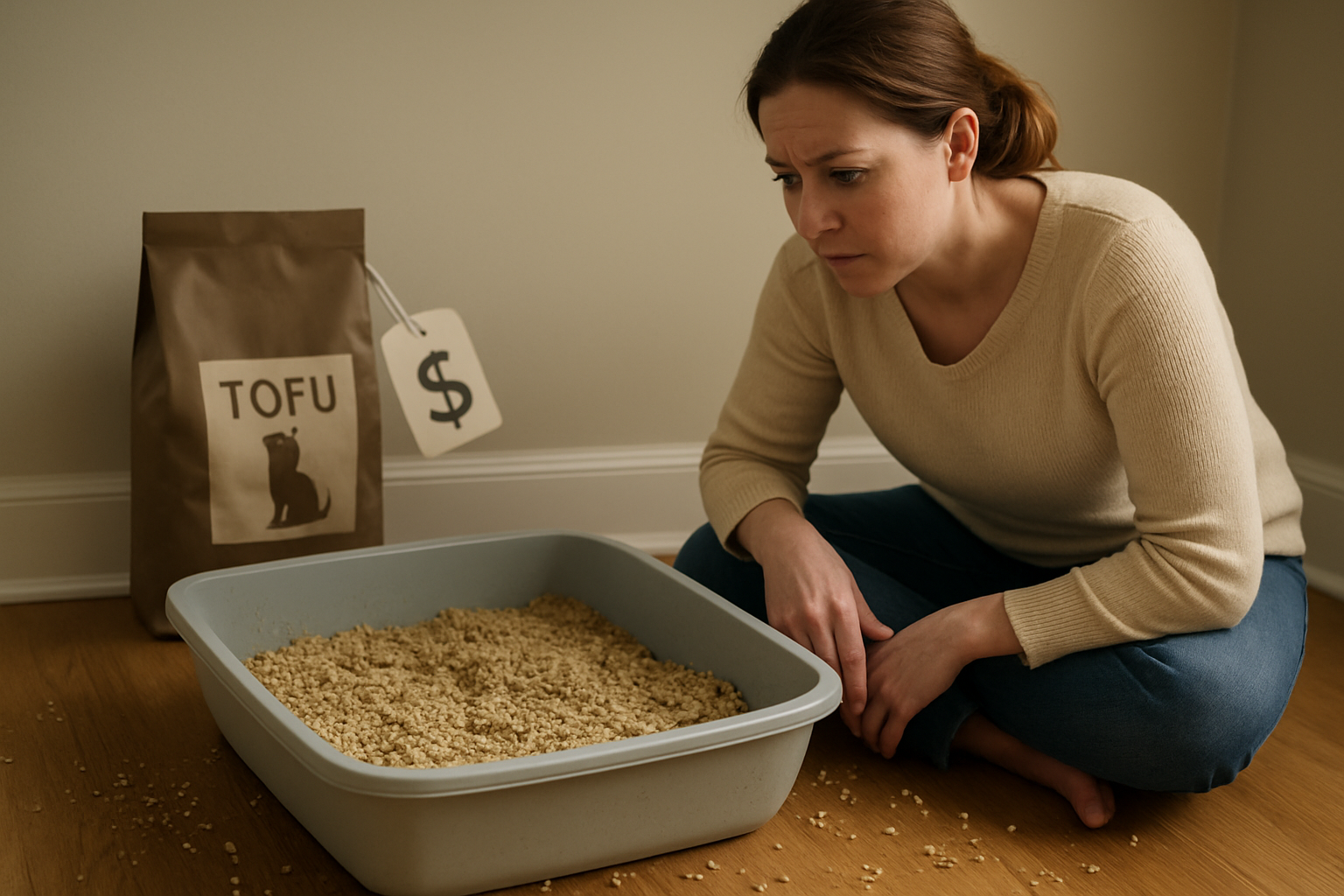
Finding tofu cat litter can feel like searching for a needle in a haystack, especially if you live outside major metropolitan areas. Most traditional pet stores still focus heavily on clay-based litters, leaving tofu alternatives relegated to small corner displays or absent entirely from shelves.
Big box retailers like PetSmart and Petco are slowly expanding their eco-friendly sections, but inventory varies wildly between locations. Rural pet owners face the biggest hurdles, often needing to drive significant distances to specialty stores or rely entirely on online ordering.
Online shopping becomes the go-to solution for many cat parents, but this creates its own set of challenges. Bulk shipping costs can inflate the total price considerably, and you can't examine the product quality before purchasing. Running out unexpectedly means either emergency trips to multiple stores or temporary switches to conventional litters that might upset your cat's routine.
Some brands have started partnering with farm supply stores and health food cooperatives, recognizing that environmentally conscious consumers shop beyond traditional pet retailers. Independent pet boutiques also tend to carry more diverse litter options, though these smaller shops may have limited stock quantities.
Texture Preferences for Finicky Cats
Cats can be incredibly particular about litter texture, and tofu-based options present a distinctly different feel compared to traditional clay varieties. The granules tend to be larger and less uniform than clumping clay, which some cats find off-putting during their initial transition period.
Declawed cats often struggle more with coarser textures, as their sensitive paw pads react poorly to anything that feels abrasive. Tofu litter's naturally rougher surface can cause discomfort for these cats, potentially leading to litter box avoidance behaviors.
Senior cats with arthritis or joint issues sometimes prefer finer-textured litters that require less digging effort. Tofu granules can feel heavier underfoot and may discourage older cats from properly burying their waste, creating cleanliness issues over time.
The dust factor plays a crucial role in acceptance rates. While tofu litter produces less airborne dust than clay alternatives, it still generates some particulates that sensitive cats might find irritating to their respiratory systems or eyes.
Gradual transition strategies help, but some cats simply never adapt to the texture change. Multi-cat households face additional complications when individual cats have conflicting preferences, sometimes requiring separate litter boxes with different substrate types.
Storage Requirements and Shelf Life Considerations
Tofu cat litter demands more careful storage attention than conventional clay varieties due to its organic composition. Moisture becomes the primary enemy, as even small amounts of humidity can trigger premature breakdown and create moldy conditions that render the entire bag unusable.
Paper packaging, while environmentally friendly, provides less moisture protection than plastic alternatives. Many tofu litter brands come in bags that tear easily or lack proper sealing mechanisms, making long-term storage challenging without transferring contents to airtight containers.
Temperature fluctuations can affect product integrity over time. Extreme heat may cause the tofu granules to become brittle and create excessive dust, while cold storage sometimes leads to clumping issues even before the litter contacts moisture.
Shelf life typically ranges from 12 to 18 months when stored properly, but this assumes ideal conditions that many households can't maintain consistently. Basements, garages, and utility rooms often experience humidity variations that can shorten usable life significantly.
Bulk purchasing strategies that work well with clay litters become risky with tofu alternatives. The cost savings from buying larger quantities can disappear quickly if storage conditions compromise product quality before use. Pet owners must balance between having adequate supply and avoiding waste from premature spoilage.
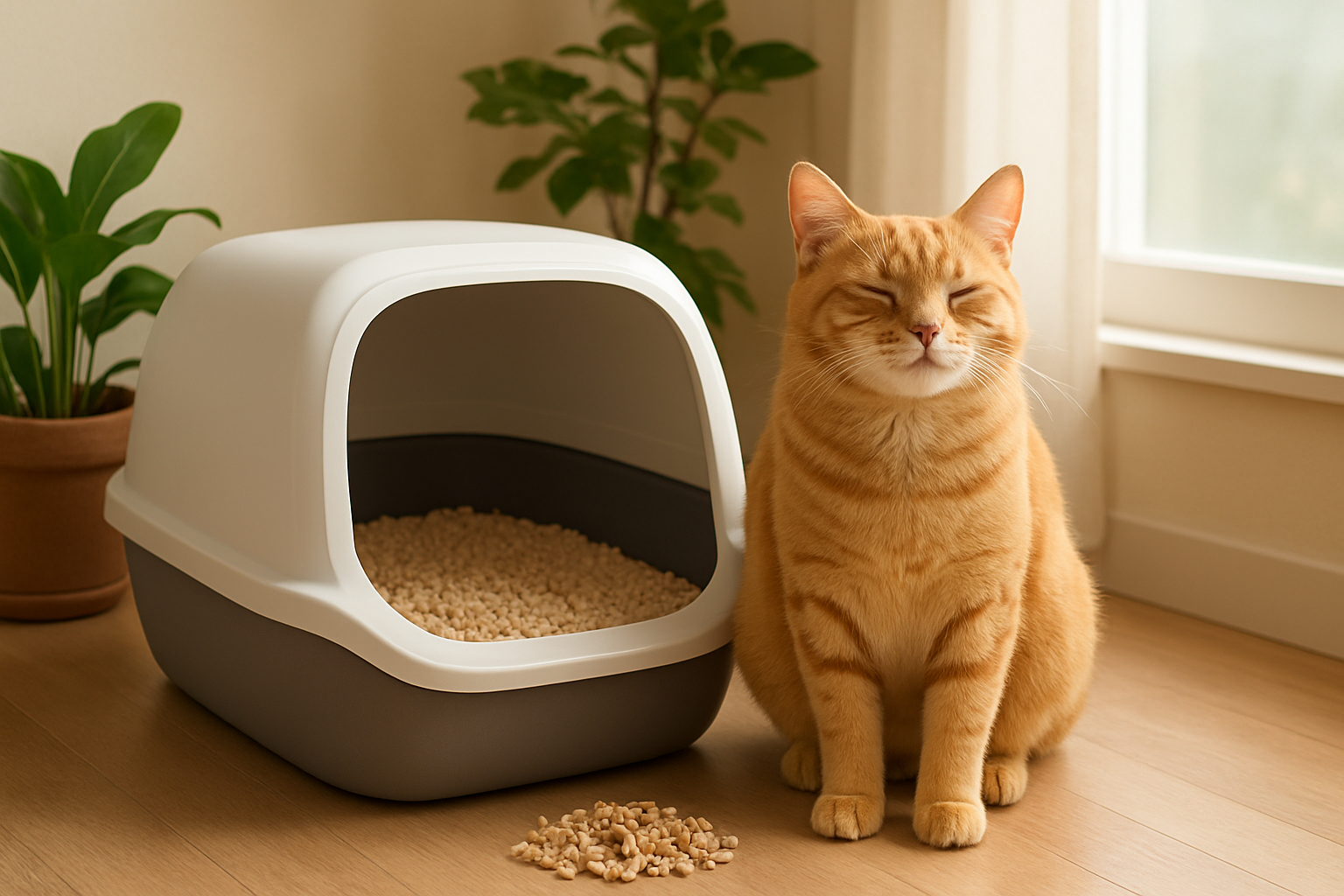
Tofu cat litter offers a compelling mix of eco-friendliness, safety, and decent performance that makes it worth considering for many cat owners. While it costs more upfront than traditional clay litters and might not clump as tightly, the environmental benefits and health advantages often justify the investment. The biodegradable formula breaks down naturally, reducing landfill waste, and the dust-free composition creates a safer environment for both cats and their humans.
The decision really comes down to your priorities and budget. If you're looking to reduce your household's environmental impact and want a safer option for sensitive cats or family members with allergies, tofu litter delivers solid results. Just be prepared for a slightly higher price tag and possibly more frequent litter changes. For eco-conscious pet parents willing to make the switch, tofu cat litter represents a meaningful step toward more sustainable pet care without sacrificing your cat's comfort.
Comments
Post a Comment