7 Eco-Friendly Cat Litter Alternatives That Actually Work
7 Eco-Friendly Cat Litter Alternatives That Actually Work
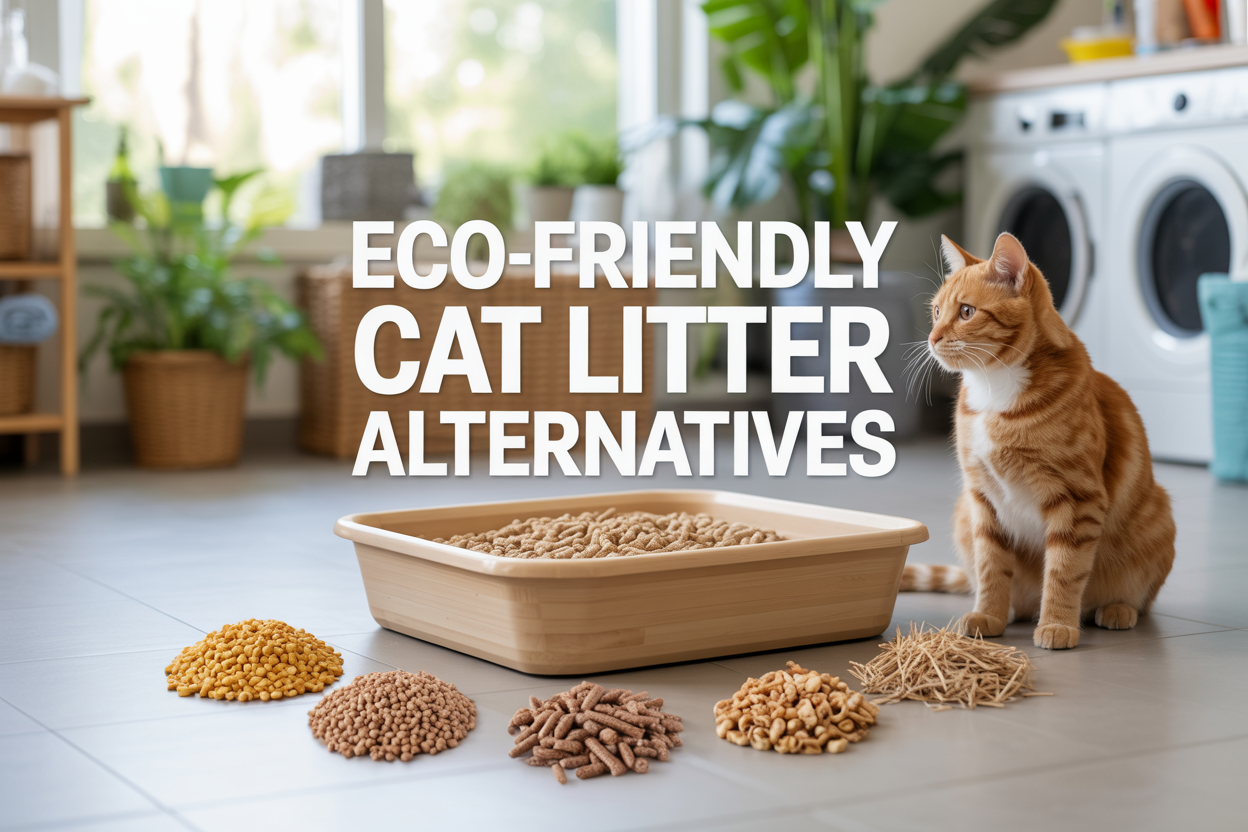
Traditional clay cat litter isn't just bad for your wallet—it's terrible for the planet. Strip mining for bentonite clay destroys natural habitats, and those dusty particles can trigger allergies in both cats and humans.
This guide is for eco-conscious cat parents who want to ditch clay litter without sacrificing performance. You'll discover seven alternatives that actually clump, control odors, and keep your cat happy.
We'll explore plant-based options like corn and wheat that form tight clumps naturally, plus wood-based solutions that excel at odor control. You'll also learn about innovative nut and shell-based litters that turn waste products into effective cat care solutions. Finally, we'll cover how to choose the right alternative for your specific situation and make the switch without stressing out your feline friend.
Why Traditional Clay Litter Harms the Environment
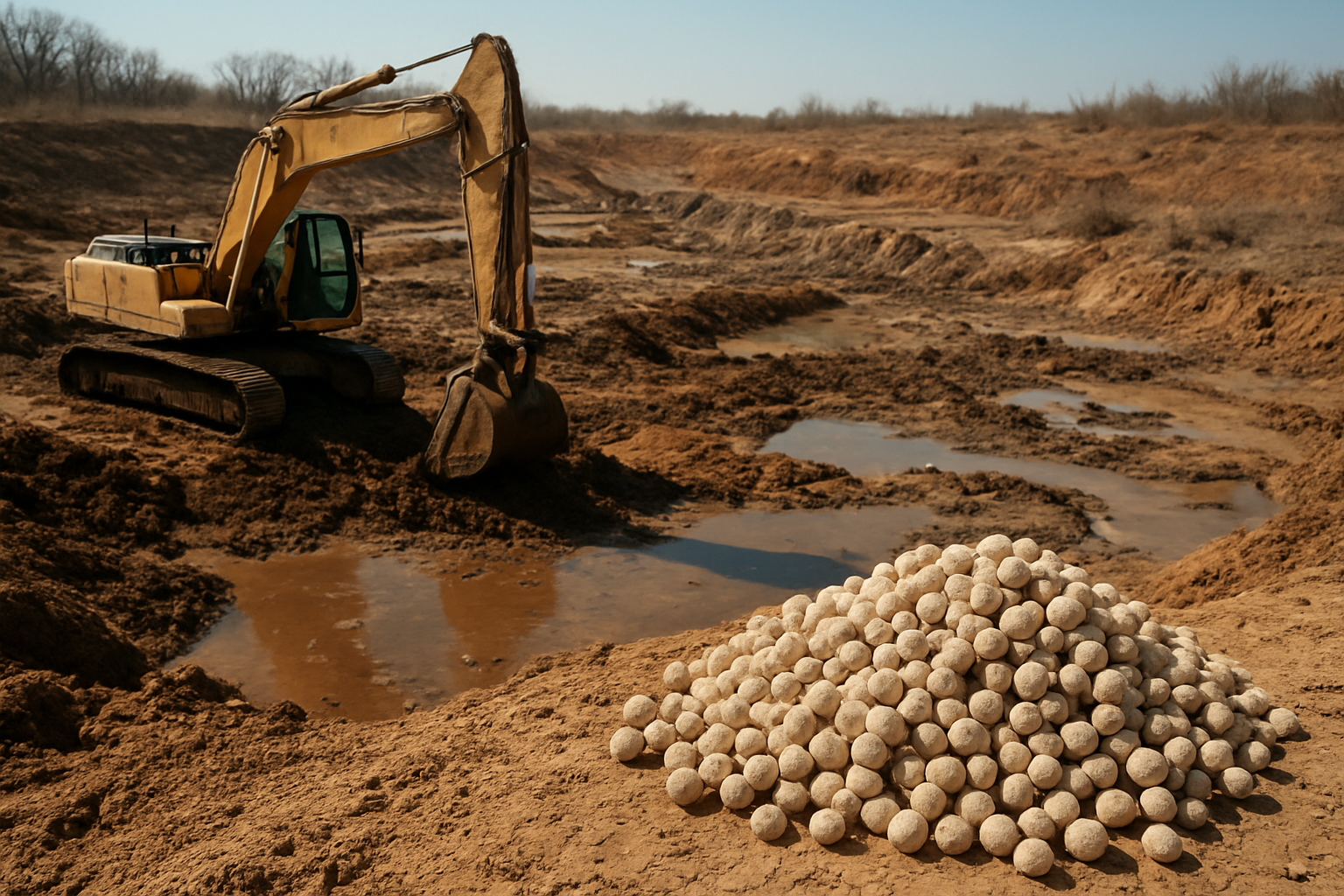
Environmental damage from strip mining bentonite clay
Traditional cat litter relies heavily on bentonite clay as its primary ingredient, a material that comes with a devastating environmental cost. The extraction process involves strip mining, an aggressive form of surface mining that creates massive excavations in the earth. This industrial process literally tears apart natural landscapes, leaving behind large holes that permanently disrupt entire ecosystems.
Strip mining for bentonite clay destroys topsoil layers that took centuries to develop, eliminates native vegetation, and displaces wildlife from their natural habitats. The process removes entire sections of earth's surface, creating scars on the landscape that can be visible for decades. These mining operations not only destroy the immediate area but also affect surrounding regions through soil erosion, water contamination, and habitat fragmentation.
Health risks from airborne dust particles and carcinogens
Beyond environmental destruction, traditional clay litter poses serious health risks to both cats and their human companions. Clay-based litter contains harmful carcinogens that become airborne as fine dust particles during pouring, scooping, and general use. These microscopic particles easily become suspended in the air, making them virtually impossible to avoid in indoor environments.
When these carcinogenic dust particles are inhaled or ingested, they can trigger a range of health issues. The airborne contaminants commonly cause allergic reactions in sensitive individuals, leading to symptoms such as sneezing, watery eyes, and respiratory irritation. For people with asthma, exposure to these dust particles can trigger severe attacks and worsen existing respiratory conditions. The fine nature of these particles allows them to penetrate deep into lung tissue, potentially causing long-term health complications.
Long-term landfill waste accumulation
The environmental impact of traditional clay litter extends far beyond the mining phase and continues throughout its disposal lifecycle. Unlike eco-friendly alternatives that can decompose or be composted, clay-based litter creates permanent waste that accumulates in landfills indefinitely. This non-biodegradable material takes up valuable landfill space and contributes to the growing waste management crisis facing communities worldwide.
Each bag of used clay litter represents a permanent addition to our planet's waste burden. The sheer volume of clay litter disposed of annually by millions of cat owners creates mountains of waste that will remain in landfills for generations. This accumulation pattern stands in stark contrast to sustainable alternatives that break down naturally over time, making traditional clay litter one of the most environmentally irresponsible choices available to pet owners today.
Plant-Based Litter Alternatives That Clump Naturally
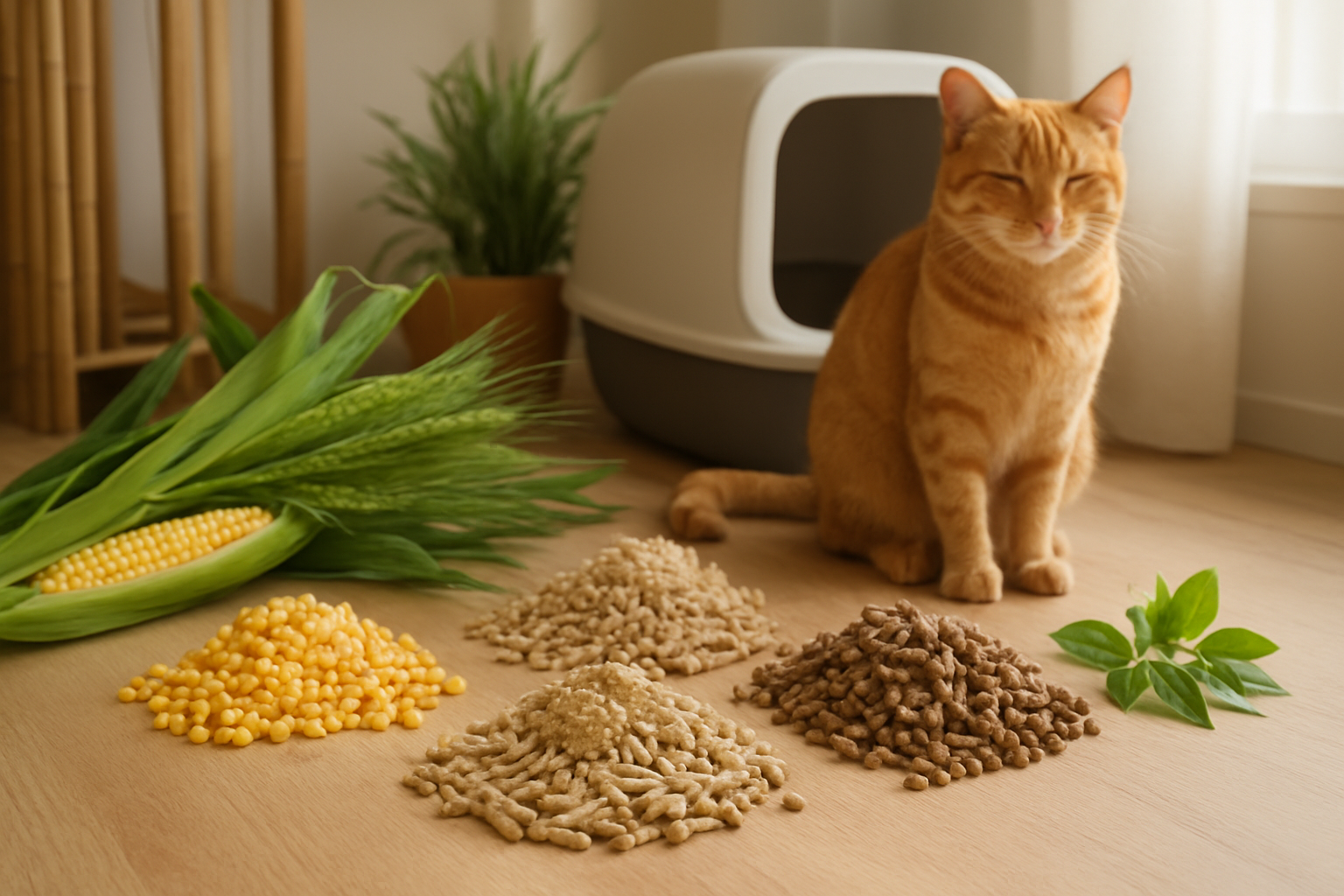
Corn Kernel and Cob Litter for Superior Odor Control
Corn-based cat litter stands out as one of the most effective plant-based alternatives, made from ground kernels or cobs that deliver exceptional performance across multiple areas. This natural option excels in odor neutralization, actively working to eliminate unpleasant smells rather than simply masking them. When your cat urinates, the corn litter transforms the liquid into small, firm clumps that hold together remarkably well, making cleanup both efficient and thorough.
What sets corn litter apart is its impressive biodegradability and flushable nature, allowing for environmentally responsible disposal methods that traditional clay litters cannot offer. The natural composition breaks down safely in septic systems and composting environments, reducing your household's environmental footprint significantly. The ground corn material creates a texture that most cats readily accept while maintaining the clumping action pet owners depend on for daily maintenance.
Wheat Berry Litter That Mimics Traditional Texture
Wheat-based litter, crafted from ground whole wheat berries, offers perhaps the closest experience to conventional clay litter in terms of texture and feel. This similarity makes it an ideal transitional option for cats and owners who are hesitant about switching from traditional products. The ground wheat berries create a familiar granular texture that cats instinctively recognize and accept.
The clumping capabilities of wheat litter perform exceptionally well, forming solid masses that can be easily scooped and removed. This natural clumping action occurs through the wheat's inherent binding properties, eliminating the need for artificial additives or chemicals that might harm both pets and the environment.
Grass Seed Litter for Lightweight, Fast-Clumping Performance
Grass seed litter revolutionizes the plant-based category with its remarkably lightweight composition and rapid absorption capabilities. The natural fibers combined with high starch content create an incredibly efficient absorption system that works faster than many traditional alternatives. When liquids contact the grass seed litter, the high starch content immediately begins forming tight, solid clumps that maintain their integrity during removal.
The lightweight nature of grass seed litter offers practical advantages for pet owners, making transportation and pouring significantly easier than heavier clay alternatives. Despite its light weight, this option doesn't compromise on performance, with some specialized brands incorporating additional odor-minimizing properties that keep litter boxes fresher for extended periods between complete changes.
Wood-Based Options for Odor Control and Comfort
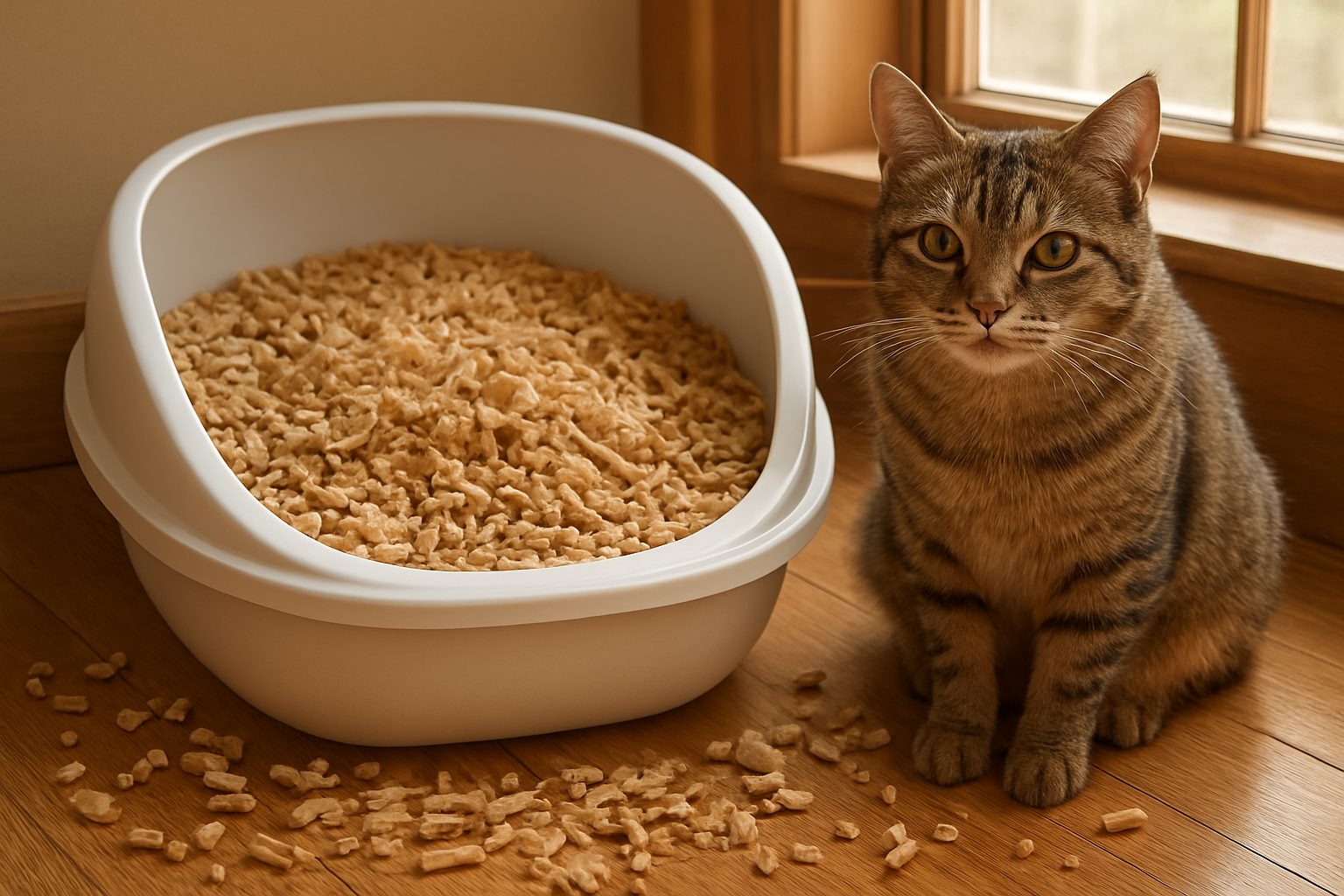
Pine Pellets That Lock Away Moisture and Smells
Now that we have covered plant-based alternatives, let's explore another highly effective eco-friendly option: pine pellets. These innovative litter alternatives are created through a specialized process of heating wood and sap, resulting in compressed pellets that offer exceptional performance for both moisture absorption and odor control.
Pine pellets work by locking away odors and absorbing moisture with remarkable effectiveness. The heating process used in their creation transforms the natural wood fibers into highly absorbent pellets that expand when they come into contact with liquid. This unique characteristic makes them particularly efficient at managing urine and controlling the unpleasant smells that often plague traditional litter boxes.
Cedar, Spruce, and Fir Shavings for Tracking-Free Use
Wood litters extend beyond pine pellets to include shavings made from cedar, spruce, or fir. These natural wood shavings consist of small, lightweight pieces that offer distinct advantages for cat owners seeking a cleaner litter box experience. The composition of cedar, spruce, or fir shavings allows them to absorb urine exceptionally well while simultaneously masking unpleasant odors through their natural aromatic properties.
One of the most significant benefits of these wood shavings is their ability to prevent tracking. Unlike traditional clay litters that often stick to cats' paws and get scattered throughout the home, wood shavings are designed to stay contained within the litter box area, creating a cleaner environment for both pets and their owners.
Sawdust Blends That Clump When Wet
Sawdust blends represent another innovative wood-based solution that combines the natural benefits of wood with enhanced functionality. These blends excel at absorbing urine and masking odors, making them an effective alternative to conventional litters. What sets certain sawdust blends apart is their ability to clump when wet, providing the convenience that many cat owners prefer for easy waste removal and maintenance.
Innovative Nut and Shell-Based Solutions
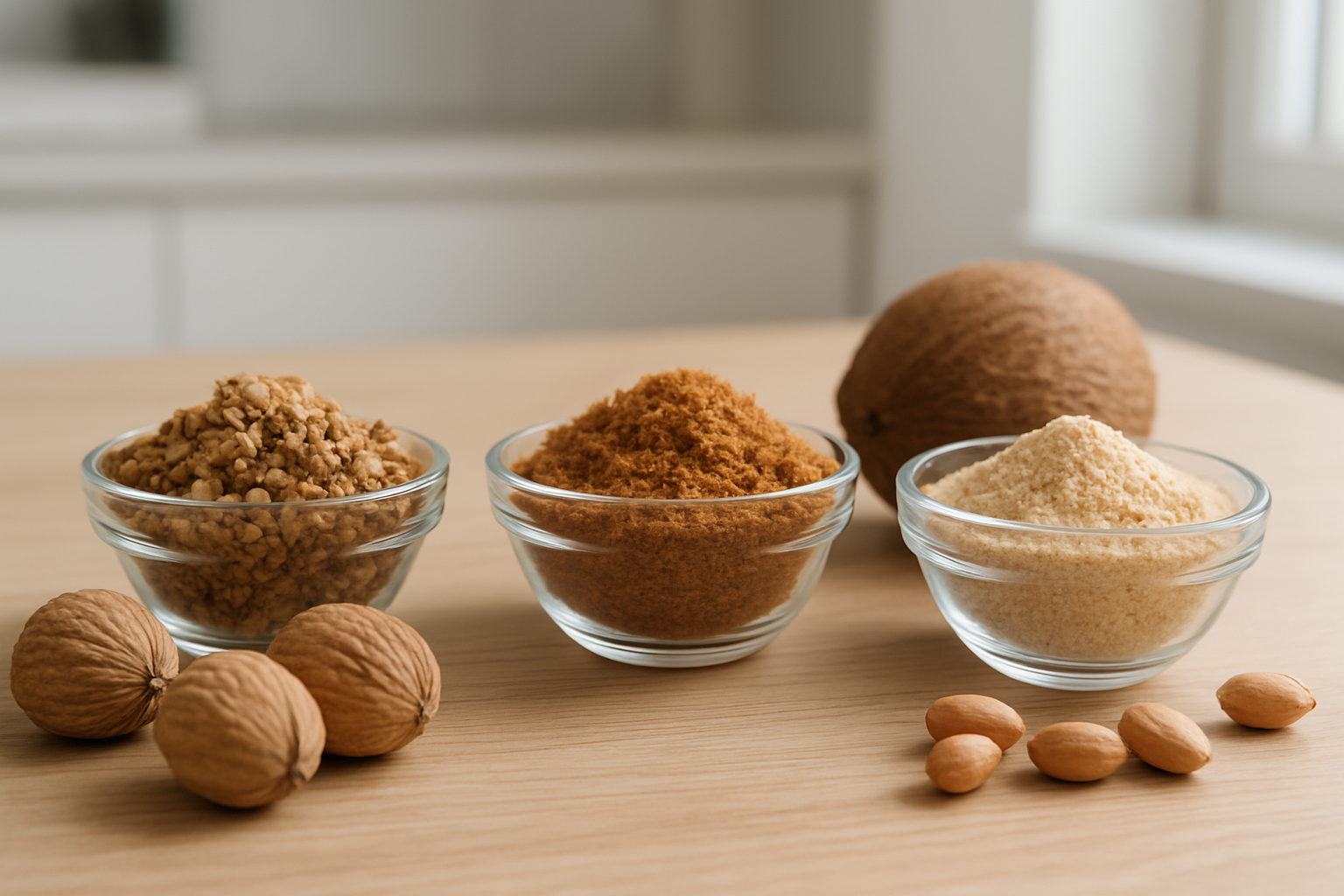
Walnut shell litter for multi-cat households
Walnut shell litter represents an ingenious approach to sustainable cat care, transforming what would otherwise be agricultural waste into an effective litter solution. Made entirely from walnut shells, this eco-friendly alternative demonstrates exceptional odor control capabilities that make it particularly well-suited for households with multiple cats.
The key to walnut shell litter's effectiveness lies in its dual-texture approach. Coarse formulas excel at odor control, naturally absorbing and neutralizing unpleasant smells without relying on artificial fragrances or chemicals. For cat owners prioritizing clumping ability, finer granules provide fast-clumping action that simplifies maintenance routines, especially crucial when managing multiple litter boxes.
One of the most practical advantages of walnut shell litter is its minimal dust production and reduced tracking. This characteristic proves invaluable in multi-cat households where frequent litter box usage can otherwise lead to dust accumulation and scattered granules throughout the home.
Coconut shell litter for chemical-free, compostable waste
Now that we've explored walnut-based options, coconut shell litter offers another compelling natural alternative made entirely from coconut shells. This innovative solution addresses multiple environmental and health concerns simultaneously while providing excellent performance characteristics.
The chemical-free composition makes coconut shell litter an ideal choice for sensitive cats and environmentally conscious owners. Being completely scent-free and hypoallergenic, it eliminates concerns about artificial fragrances or chemical additives that might irritate cats with allergies or respiratory sensitivities.
Perhaps most importantly, coconut shell litter contains no harmful chemicals, making it safe for disposal in yards or compost bins. This composting capability represents a significant advantage over traditional litters, allowing cat waste to contribute to soil enrichment rather than contributing to landfill accumulation.
Soy-based options for biodegradable convenience
With natural shell options established, soy litter provides yet another plant-based solution that prioritizes environmental responsibility. Made from natural soybeans, this biodegradable alternative addresses long-term waste management concerns through its ability to break down naturally in the environment.
The biodegradable nature of soy litter means it reduces landfill waste significantly compared to traditional clay alternatives. As organic matter, soy-based litter integrates seamlessly into natural decomposition cycles, minimizing the environmental footprint of cat ownership while maintaining the convenience and effectiveness that cat owners require for daily litter management.
Recycled and Waste-Reducing Alternatives
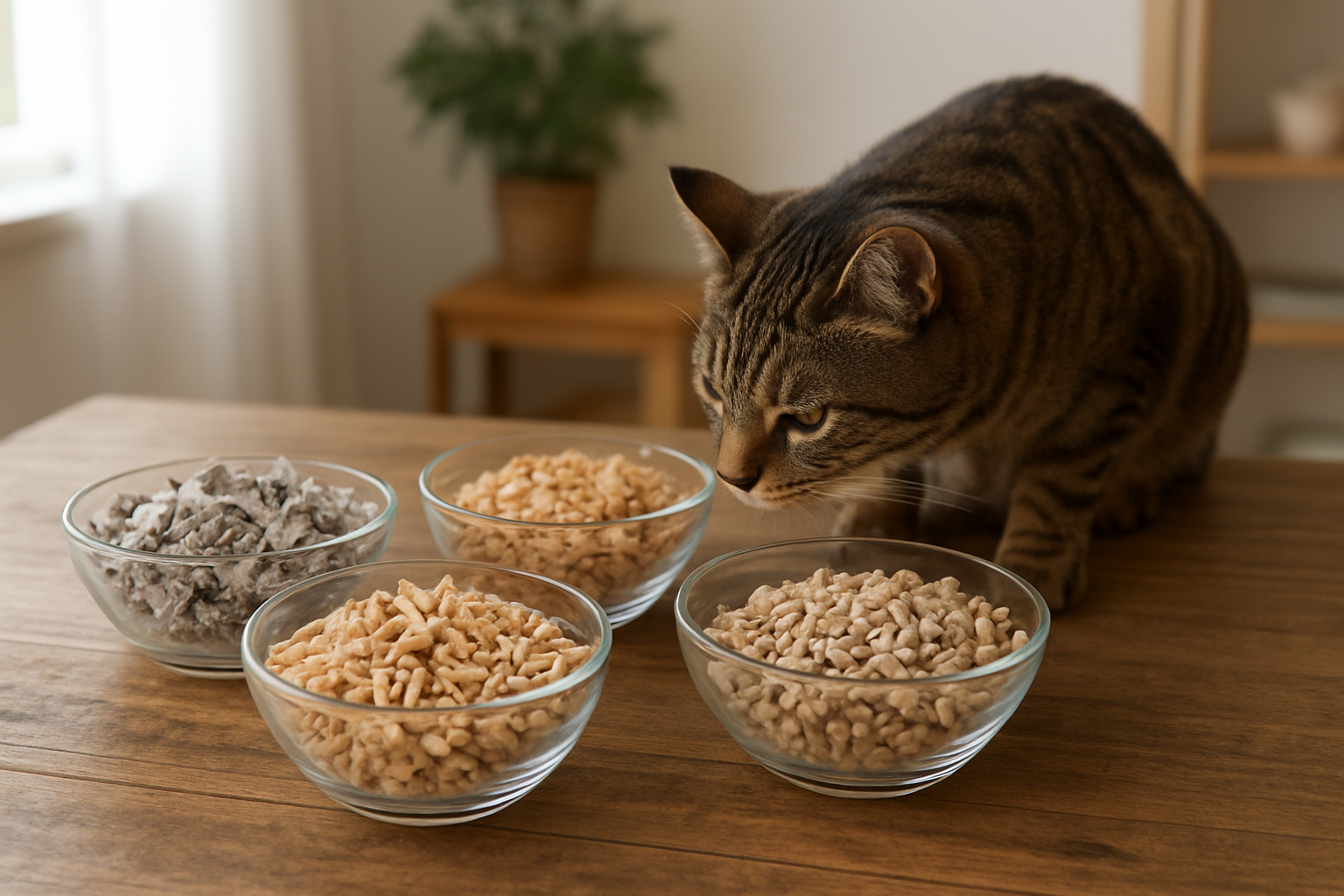
Newspaper and paper pellet litter from recycling scraps
Now that we have covered innovative options like nut and shell-based solutions, let's explore how recycled materials can transform everyday waste into functional cat litter alternatives. Newspaper and paper pellet litter represent an exceptional example of circular economy principles in pet care, converting what would otherwise be discarded into useful products.
These litters are manufactured from recycled newsprint and other paper scraps, specifically utilizing short fibers that typically have no commercial value and would otherwise end up in landfills. The production process transforms these waste materials into soft, absorbent pellets that provide a comfortable surface for your cat's paws. Unlike traditional clay litters that can create dust clouds, paper-based alternatives are completely dust-free, making them ideal for cats with respiratory sensitivities or allergies.
The manufacturing process compresses the recycled paper fibers into pellets that break down when wet, creating excellent absorbency. Some varieties even offer clumping ability, combining the environmental benefits of recycled materials with the convenience that cat owners expect. This
Making the switch to eco-friendly cat litter alternatives isn't just better for the planet – it's often better for your wallet and your cat's health too. From naturally clumping plant-based options like corn and wheat to odor-controlling wood pellets and innovative walnut shell varieties, you now have seven proven alternatives that can effectively replace traditional clay litter. Each option offers unique benefits, whether it's the dust-free comfort of paper litter, the natural absorbency of pine, or the biodegradable convenience of grass seed litter.
Remember that every cat is an individual, and what works perfectly for one may not suit another. The key to success lies in understanding your cat's preferences and making the transition gradually. Start by mixing your chosen alternative with your current litter, then slowly increase the ratio over time. With patience and the right eco-friendly option, you can reduce your environmental impact while keeping your feline friend happy and your home fresh.

Comments
Post a Comment