How To Create A Zero-Waste Litter Box Setup
How to Create a Zero-Waste Litter Box Setup
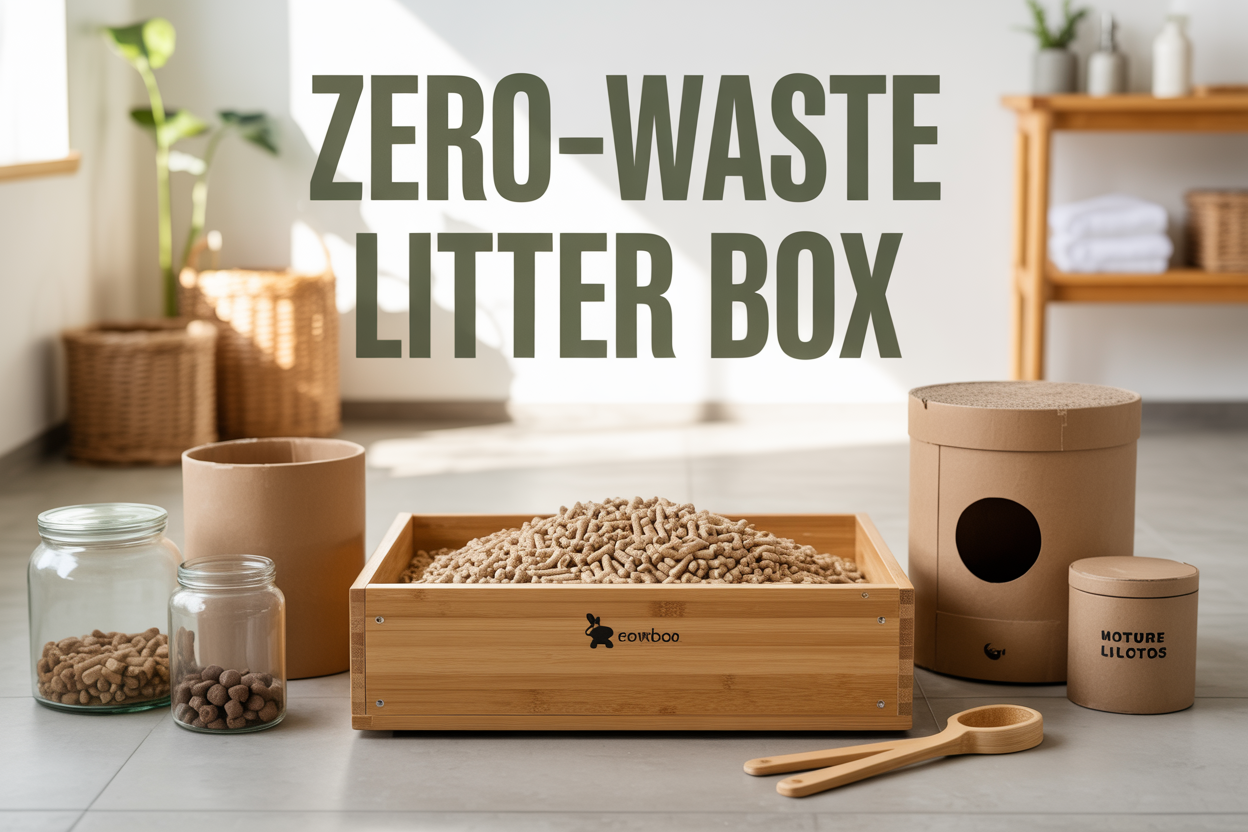
Cat owners looking to reduce their environmental impact can transform their pet care routine with a zero-waste litter box setup. This guide walks you through practical steps to minimize packaging waste while maintaining a clean, odor-free space for your feline friend.
Perfect for eco-conscious pet parents and anyone wanting to cut down on single-use plastics, this approach saves money while protecting the planet. You'll learn how to repurpose everyday household items and create sustainable solutions that work just as well as store-bought alternatives.
We'll cover choosing biodegradable litter materials that break down naturally instead of sitting in landfills forever. You'll also discover clever ways to repurpose existing packaging - like cereal box liners and vegetable bags - for waste collection. Finally, we'll explore DIY container systems and temporary cardboard solutions that keep everything tidy without generating unnecessary trash.
Choose Eco-Friendly Litter Materials
Switch from clay to biodegradable plant-based litters
Making the transition from traditional clay litter to biodegradable plant-based alternatives represents one of the most impactful changes you can make in creating a zero-waste litter box setup. Clay litter poses significant environmental challenges both in its production and disposal processes, making it an unsustainable choice for eco-conscious pet owners.
Plant-based litters offer a superior alternative that aligns with zero-waste principles. These materials are naturally biodegradable and can be integrated into composting systems, effectively transforming waste into a valuable resource rather than contributing to landfill accumulation.
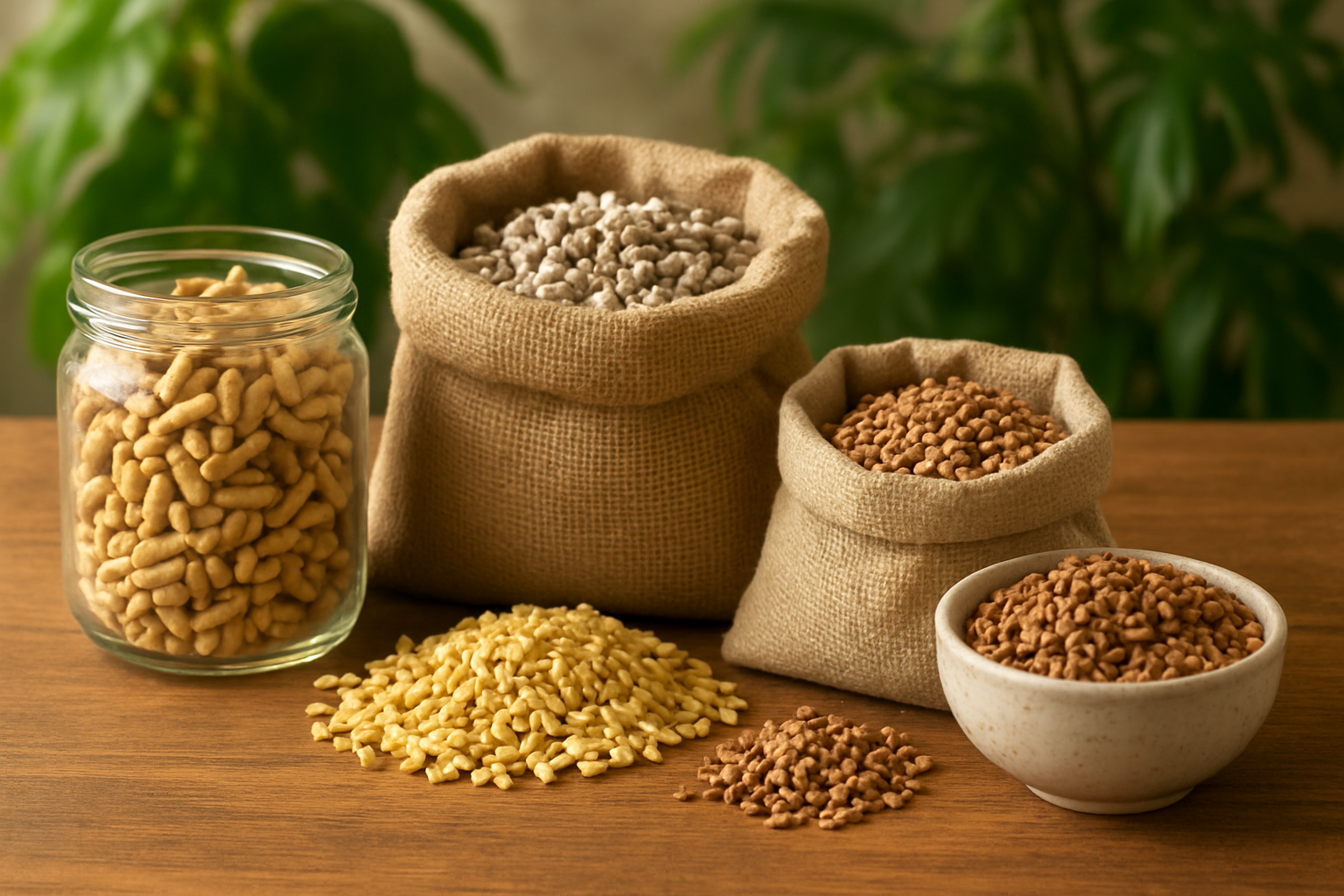
Use compostable options like walnut shells, corn, or wheat
The beauty of plant-based litter materials lies in their origin as byproducts or renewable resources. Walnut shells, corn kernels, and wheat provide excellent absorbent properties while being completely compostable. These materials would otherwise be discarded as agricultural waste, making their use in litter applications a perfect example of circular economy principles.
Litter made from plant fibers demonstrates superior environmental credentials compared to conventional options. The biodegradable nature of these materials means they break down naturally, returning nutrients to the soil rather than persisting in landfills for decades. This characteristic makes them particularly valuable for pet owners committed to reducing their environmental footprint.
Consider wood pellets as an affordable zero-waste alternative
Wood pellets, particularly pine pellets, emerge as an exceptionally practical solution for budget-conscious pet owners seeking zero-waste alternatives. These pellets are typically available in bulk quantities at competitive prices, making them accessible to a wide range of households.
The versatility of wood pellets extends beyond their initial use as litter. Non-feces waste portions can be safely composted, while used pellets can be disposed of through organic waste collection systems. This dual-disposal option provides flexibility while maintaining zero-waste principles throughout the entire process.
Avoid flushable litters to protect waterways from parasites
Despite marketing claims, flushing cat litter poses serious environmental and public health risks that contradict zero-waste principles. Even products labeled as "flushable" should never be disposed of through toilet systems, as wastewater treatment facilities lack the capability to remove dangerous parasites like Toxoplasma gondii.
These parasites can infiltrate waterways, creating cascading environmental effects that extend far beyond individual households. Wildlife populations become infected, including species that enter human food chains, creating potential health risks for both ecosystems and human communities. Protecting waterways requires avoiding flush-based disposal methods entirely, regardless of manufacturer claims about flushability.
Repurpose Existing Packaging for Waste Collection
Reuse food packaging bags for daily litter scooping
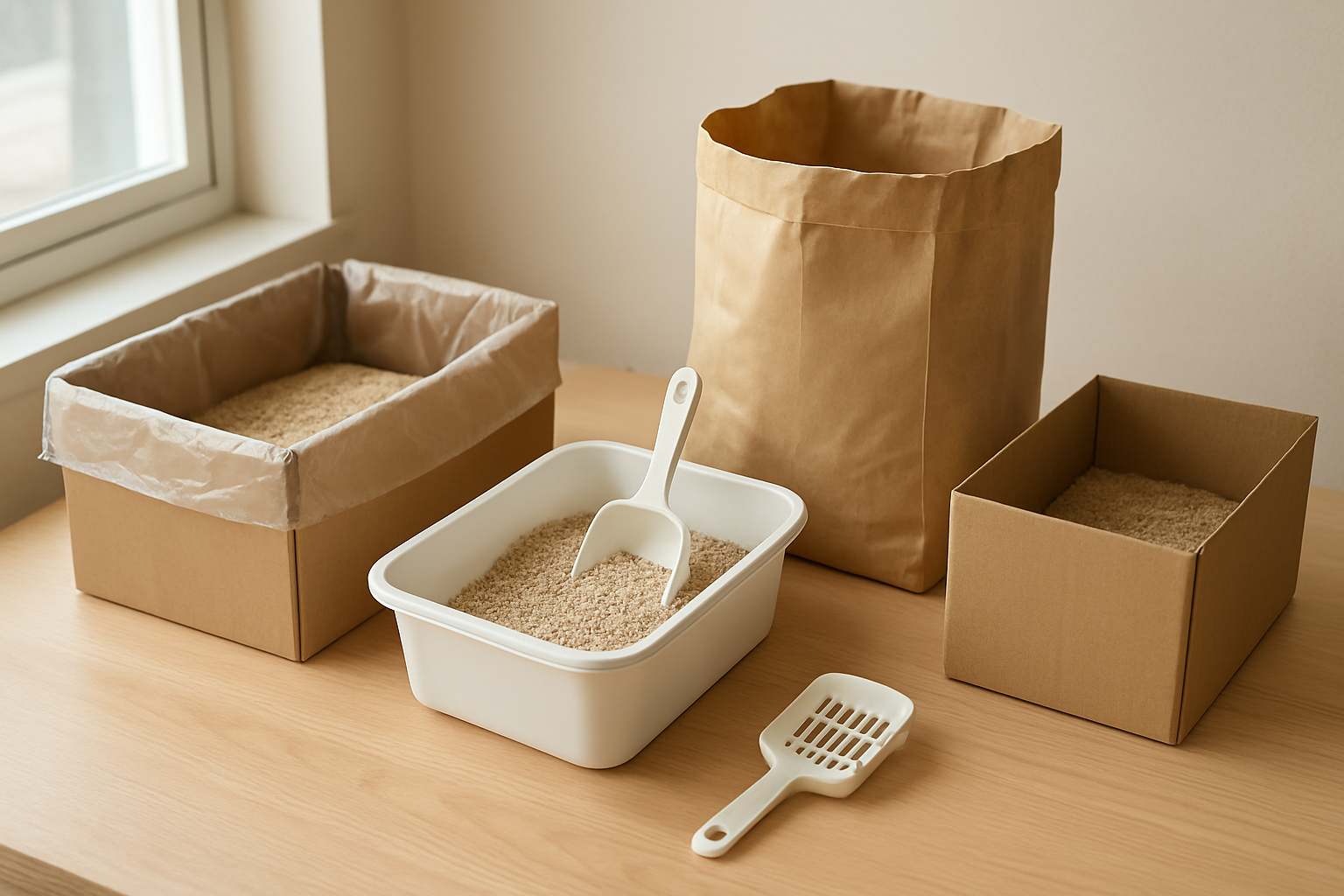
The first step in creating a waste-free collection system involves maximizing the use of food packaging that would otherwise end up in the trash. Frozen vegetable bags make excellent choices for daily scooping, as their plastic construction provides durability and moisture resistance. Similarly, cereal and cracker box liners offer a convenient size for regular waste collection while extending the life of packaging you already have on hand.
Coffee bags present another valuable option, particularly those with plastic interiors that provide an effective barrier against moisture and odors. Bread bags work exceptionally well due to their lightweight nature and appropriate sizing for single scooping sessions. Pet food bags, especially the sturdier varieties, can handle multiple uses before wearing out, making them ideal for larger households with multiple cats.
Don't overlook plastic grocery bags from frozen fruit, vegetables, flour, chips, and dry cat food purchases. These bags accumulate naturally through regular shopping and provide a steady supply of collection containers. Paper baguette sleeves from bakeries offer a biodegradable alternative that works well for immediate disposal needs.
Collect plastic bags from neighbors through buy-nothing groups
Community resource sharing extends your supply of collection materials while preventing waste in your neighborhood. Posting requests on buy-nothing groups creates a win-win situation where neighbors can contribute their unused plastic bags instead of throwing them away. This approach helps build community connections while supporting your zero-waste goals.
Many households accumulate plastic bags faster than they can use them, making them eager to find someone who can put these materials to good use. Regular participation in these groups often yields a steady supply of various bag types, from grocery bags to packaging materials that neighbors would otherwise discard.
Save paper bags from takeout and grocery shopping
Brown paper bags from restaurants and grocery stores provide an excellent biodegradable option for waste collection. These bags offer sufficient strength for single-use scooping while maintaining their structural integrity during transport to disposal areas. The natural materials break down more readily than plastic alternatives, making them suitable for composting systems where appropriate.
Takeout bags often come in various sizes, allowing you to match the container to your specific needs. Smaller bags work well for single-cat households or daily maintenance, while larger grocery bags can accommodate multiple scooping sessions or serve households with several cats.
Utilize shipping envelopes and package cushions
Online shopping generates a constant stream of packaging materials that adapt perfectly to litter waste collection. Plastic shipping envelopes provide waterproof containers that seal effectively, preventing odors and leakage during transport to disposal areas. Their varied sizes accommodate different volume needs, from small daily collections to larger cleaning sessions.
Larger "sealed air" cushions from packages can be repurposed by carefully cutting them open to create makeshift collection bags. These materials often feature durable plastic construction that withstands the weight and moisture associated with used litter. The cushion material also provides extra padding, making handling more comfortable while ensuring the container maintains its integrity throughout use.
Newspapers offer an additional traditional option by laying pages flat, scooping litter directly onto the surface, and wrapping everything into a secure bundle for disposal.
Implement Container-Based Collection Systems
Use reusable buckets with tight-fitting lids for odor control
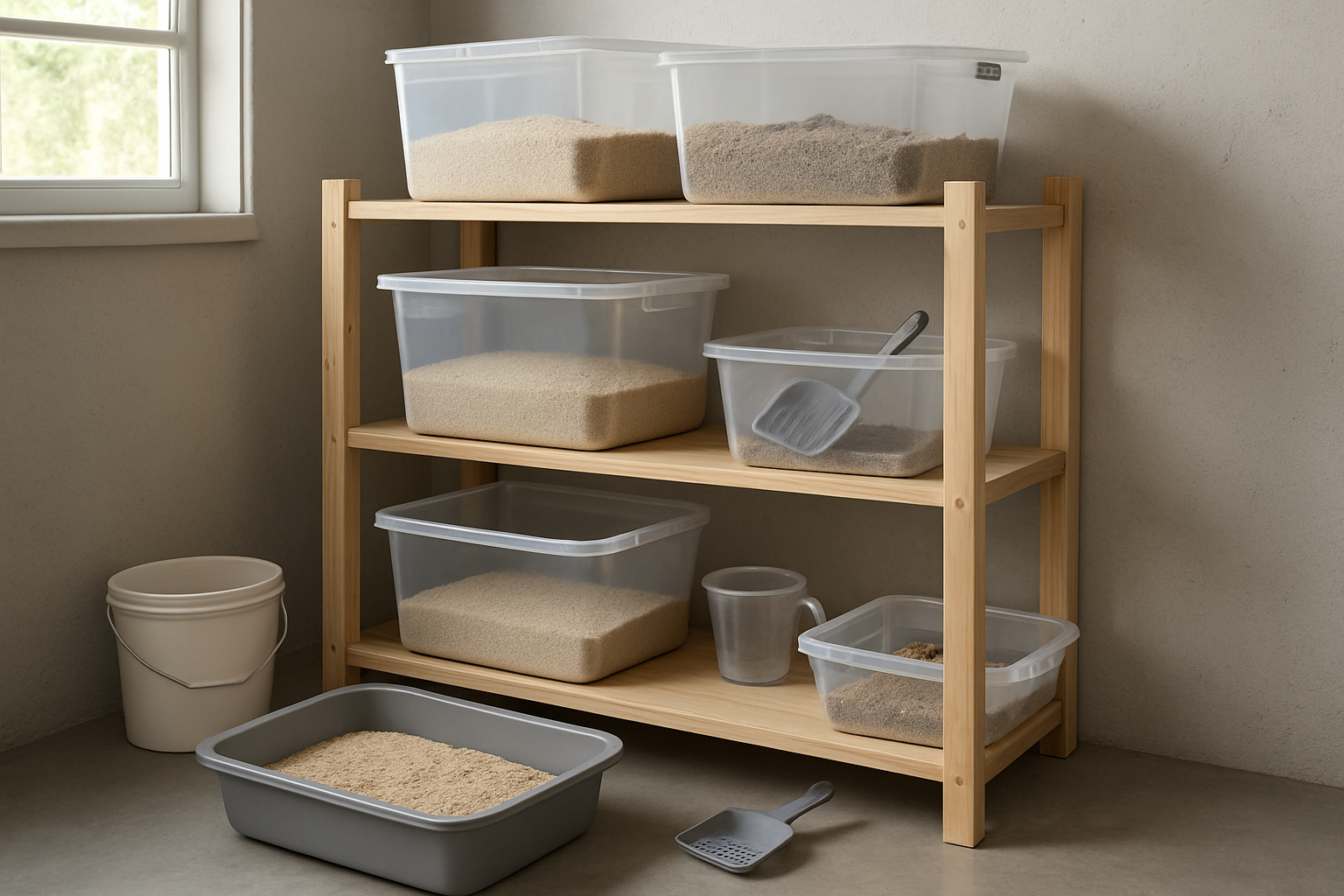
Reusable buckets with tight-fitting lids represent one of the most sustainable approaches to waste collection in your zero-waste litter box setup. By utilizing a single plastic bucket repeatedly for scooping litter and containing odors, you significantly reduce plastic waste compared to disposable alternatives. The tight-fitting lid mechanism creates an effective barrier against odor escape, making this solution both environmentally conscious and practically efficient for daily maintenance.
When implementing this system, choose buckets with secure sealing mechanisms that can withstand repeated opening and closing. The reusability factor makes this approach far more sustainable than constantly purchasing disposable plastic bags or containers, as one quality bucket can serve your household for years.
Install litter genies with biodegradable bag refills
Now that we have covered basic bucket systems, let's explore more sophisticated container-based solutions. Litter Genies offer an advanced waste management system featuring small trash cans with continuous bag tubes designed to minimize plastic waste. These specialized containers utilize a unique tube system that significantly reduces the amount of plastic needed compared to traditional waste collection methods.
The key to maximizing the environmental benefits lies in the refill strategy. You can enhance sustainability by using biodegradable bags as refills, or by creatively repurposing empty cartridges with alternative bag options. This approach maintains the convenience and odor control benefits of the Litter Genie system while reducing environmental impact through mindful refill choices.
Repurpose diaper genies for multi-cat households
Previously, I've discussed new litter management systems, but repurposing existing products offers even greater sustainability benefits. Diaper genies, manufactured by the same company as Litter Genies, provide an excellent alternative for multi-cat households when purchased secondhand. This repurposing strategy eliminates the need to buy new products while providing the same functional benefits.
Multi-cat households particularly benefit from this approach due to the larger capacity and more frequent waste disposal needs. By giving a diaper genie a second life in your litter management system, you're preventing waste while accessing proven odor-containment technology designed for similar waste management challenges.
Create dedicated small bins to maximize bag usage
With this in mind, implementing dedicated small step bins represents another strategic approach to container-based collection systems. These compact bins allow you to maximize the usage of waste bags by ensuring every bit of available space is utilized before disposal. The step-operated mechanism provides hands-free operation, maintaining hygiene while optimizing waste collection efficiency.
This dedicated approach prevents premature bag changes and reduces overall plastic consumption by ensuring you extract maximum value from each waste bag before disposal.
Build DIY Temporary Solutions from Cardboard
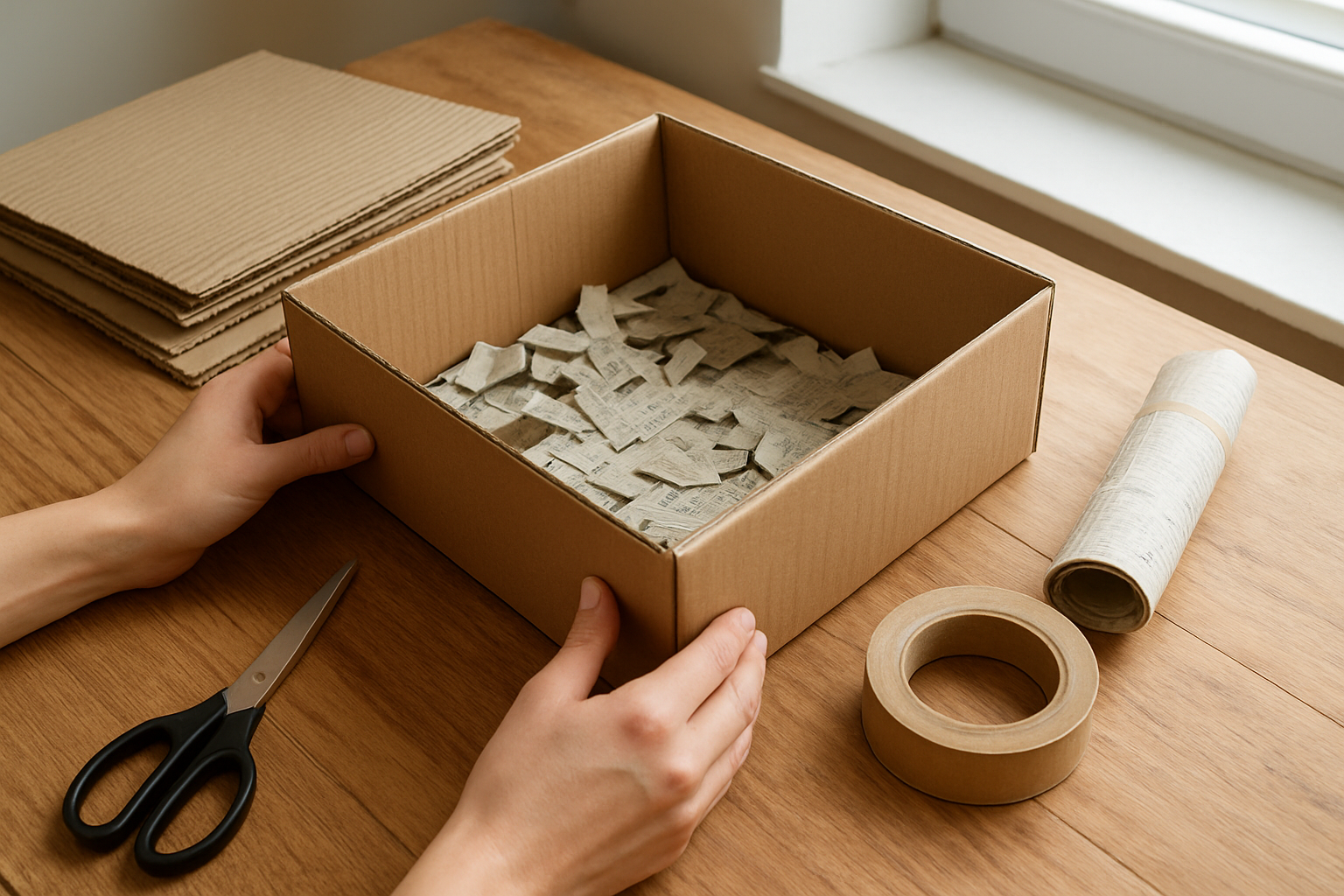
Cut cardboard boxes to appropriate height for your cat
The first step in creating an effective DIY cardboard litter box involves selecting the right dimensions for your feline companion. When repurposing cardboard boxes, carefully measure and cut the sides to accommodate your cat's specific needs. For kittens, maintain a low profile by cutting the walls to just a couple of inches high, ensuring easy entry and exit for their smaller stature and developing coordination. Adult cats require more substantial barriers, so cut the sides to four to five inches or higher, depending on your cat's size and mobility requirements. This height consideration is crucial for preventing litter spillage while maintaining accessibility for cats of all ages and physical capabilities.
Reinforce edges with duct tape for moisture protection
Now that we have the proper dimensions established, reinforcing the structural integrity becomes paramount for long-term functionality. Apply duct tape systematically along all cut edges and folded spots of the cardboard box, ensuring comprehensive coverage on both interior and exterior surfaces. This reinforcement serves a dual purpose: protecting the cardboard walls from moisture damage that could compromise the box's structural integrity, and significantly enhancing the overall durability of your temporary solution. The tape creates a moisture barrier that prevents urine and cleaning solutions from weakening the cardboard fibers, extending the usable life of your DIY litter box considerably.
Line with potty pads to extend box lifespan
With the reinforced structure in place, the next critical component involves creating a protective bottom layer. Cut potty pads to fit precisely within the dimensions of your cardboard box, ensuring complete coverage of the base. For cats that tend to scratch vigorously or move around extensively while using their litter box, consider anchoring the potty pad securely with additional duct tape along the edges. This lining system serves as an additional moisture barrier, particularly beneficial when the box will be used multiple times before disposal. The potty pad absorption capability significantly extends the functional lifespan of your cardboard construction while maintaining cleanliness standards.
Replace frequently to maintain hygiene standards
Previously, I've emphasized the importance of structural reinforcement, but maintaining proper hygiene requires a proactive replacement schedule. Replace your temporary cardboard litter box frequently, especially when used continuously over several days. Cardboard naturally absorbs moisture and odors over time, regardless of protective measures implemented. This absorption characteristic means that even well-constructed cardboard boxes will eventually compromise hygiene standards if not replaced regularly. Monitor the condition of your DIY solution daily, watching for signs of saturation, odor retention, or structural weakening that indicate immediate replacement necessity.


Comments
Post a Comment