How To Make Your Cat's Carbon Pawprint 90% Smaller
How to Make Your Cat's Carbon Pawprint 90% Smaller
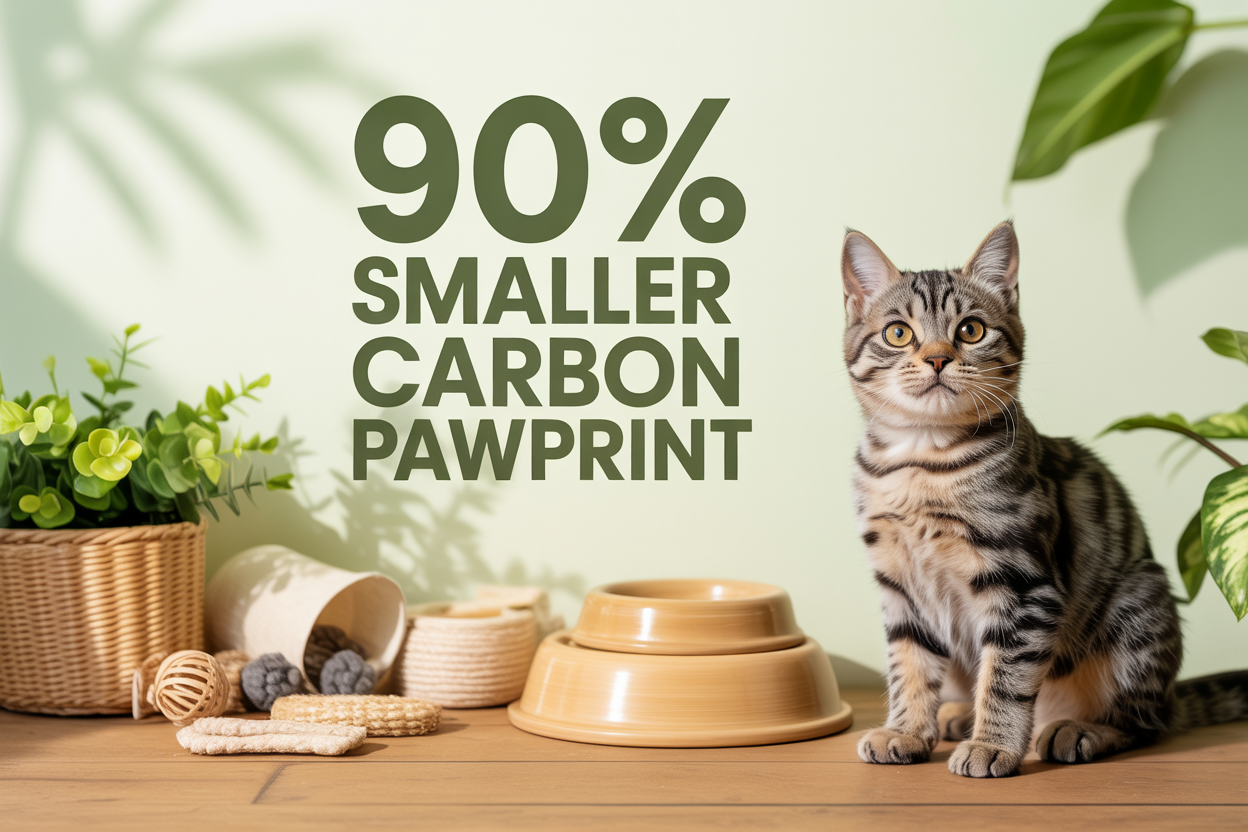
Your cat's daily habits might be contributing more to climate change than you realize. Pet parents who want to shrink their environmental impact can make their cat's carbon pawprint 90% smaller with the right changes.
This guide is for eco-conscious cat owners ready to make practical swaps that benefit both their furry friend and the planet. Small changes to your cat's routine can dramatically reduce their environmental footprint without sacrificing their health or happiness.
We'll walk you through the biggest impact areas: switching to sustainable food options that still meet your cat's nutritional needs, mastering zero-waste approaches to litter and waste management, and choosing eco-friendly products that keep your cat clean while protecting waterways from harmful chemicals.
Transform Your Pet's Diet for Maximum Environmental Impact
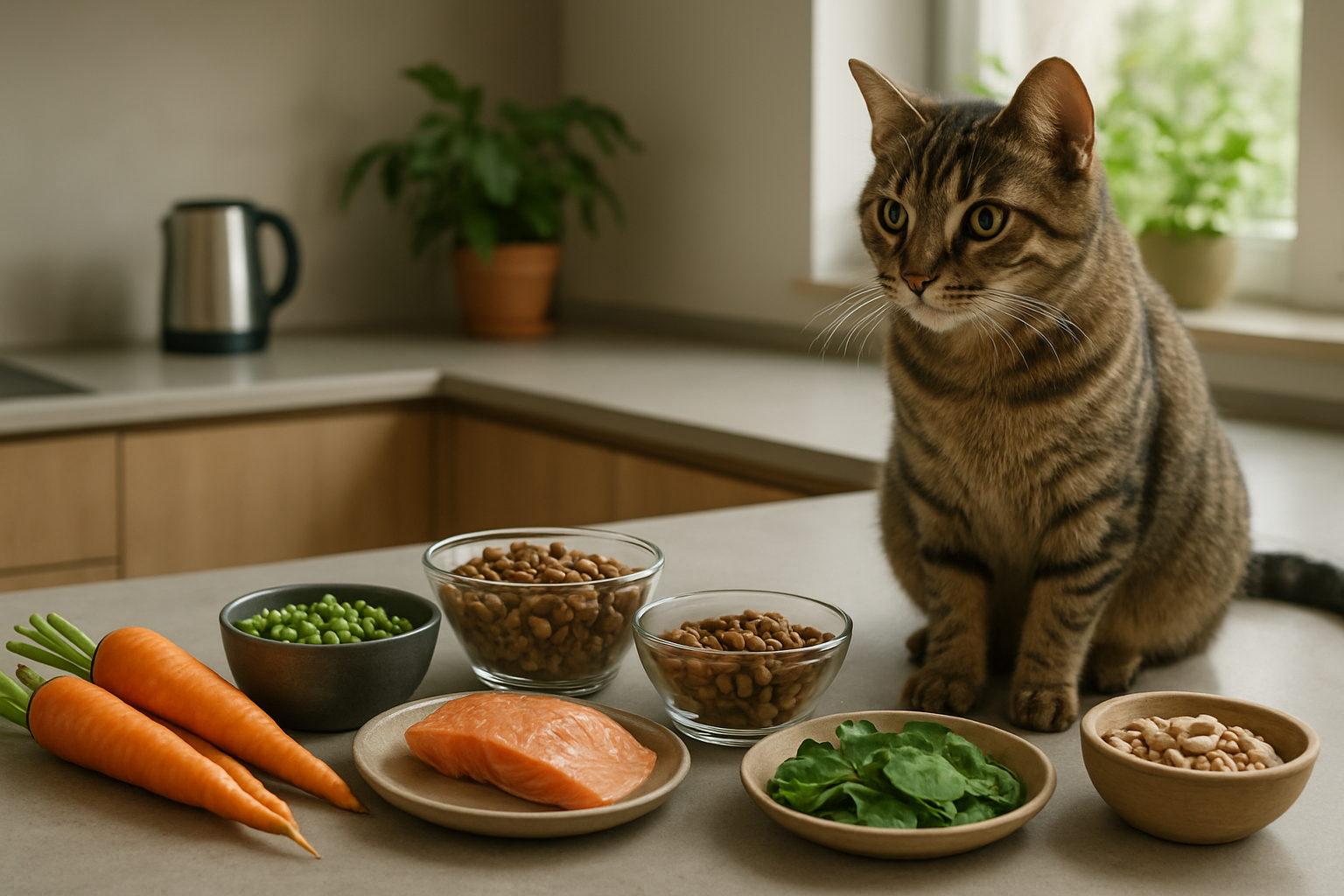
Switch to Less Resource-Intensive Protein Sources Like Poultry and Fish
Pet food production creates a substantial environmental footprint, with meat for dog and cat food in the U.S. alone responsible for emissions equivalent to 13.6 million cars annually. Making strategic dietary changes represents one of the most impactful steps you can take to reduce your pet's carbon pawprint.
Transitioning to less resource-intensive proteins offers a practical solution without compromising your pet's nutritional needs. Consider incorporating poultry, rabbit, and sustainably-sourced fish into your pet's diet as these proteins require significantly fewer resources to produce compared to traditional beef-based options. Animal by-products also present an environmentally conscious choice, utilizing parts of animals that would otherwise go to waste while providing essential nutrients.
Consider Plant-Based Options for Dogs (With Proper Nutrition Monitoring)
While dietary flexibility varies between species, dogs possess a distinct advantage in sustainable nutrition. Unlike domestic cats, who are obligate carnivores requiring specific meat nutrients for survival, dogs are naturally adapted to an omnivorous lifestyle and can thrive on carefully formulated plant-based diets.
This dietary adaptability opens opportunities for environmentally conscious pet parents to explore plant-based alternatives for their canine companions. However, proper nutrition monitoring remains crucial when implementing any significant dietary change to ensure your dog receives all essential nutrients for optimal health.
Explore Innovative Insect-Based Pet Foods
The pet food industry continues evolving with innovative solutions that address environmental concerns while maintaining nutritional quality. Insect-based foods represent a groundbreaking development in sustainable pet nutrition, offering high-protein alternatives with minimal environmental impact.
These innovative products, such as dog food pellets made from ground-up fly larvae, provide complete nutrition while requiring substantially fewer resources to produce than traditional protein sources. As these sustainable alternatives become increasingly available in the market, they offer pet owners an opportunity to dramatically reduce their pet's environmental impact without sacrificing nutritional value.
Buy in Bulk and Choose Recyclable Packaging to Reduce Waste
Beyond protein selection, packaging choices significantly impact your pet's overall environmental footprint. Purchasing pet food in bulk quantities reduces packaging waste per serving while often providing cost savings for pet owners.
When bulk purchasing isn't feasible, prioritize products packaged in recyclable or reusable materials. This simple consideration helps minimize the waste stream associated with pet food consumption, contributing to a more sustainable approach to pet care that extends beyond nutritional choices.
Master Eco-Friendly Waste Management Practices
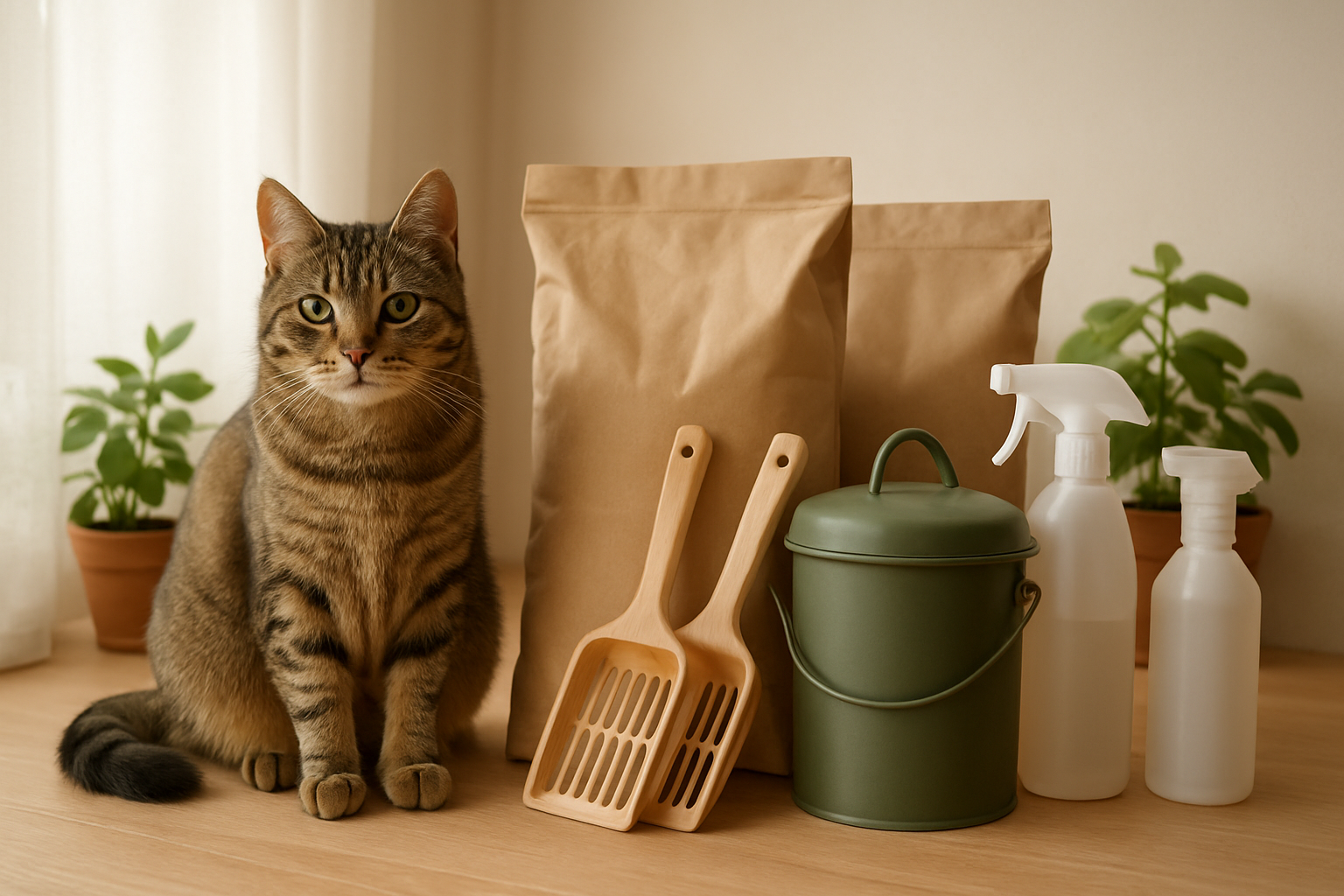
Use biodegradable poop bags and reusable scoopers for dogs
Traditional plastic bags create a massive environmental burden, taking anywhere from 10 to 1,000 years to fully decompose in landfills. For responsible dog owners, switching to biodegradable bags made from plant-based materials offers an immediate solution to reduce your pet's environmental impact. These eco-friendly alternatives break down naturally, returning nutrients to the soil instead of contributing to long-term pollution.
For even greater sustainability, invest in a pooper scooper or other reusable tools to remove dog droppings. These durable implements eliminate the need for single-use bags entirely during walks around your neighborhood or in your own yard. By combining reusable scoopers for regular cleanup with biodegradable bags for on-the-go situations, you create a comprehensive waste management system that dramatically reduces plastic consumption.
Replace clay-based cat litter with sustainable alternatives
Traditional cat litters containing bentonite clay rely on environmentally damaging strip mining practices that destroy natural landscapes and ecosystems. This extraction process leaves lasting scars on the environment while contributing significantly to your cat's carbon pawprint.
Fortunately, numerous eco-friendly alternatives provide excellent odor control and absorbency while supporting sustainable practices:
Paper pellets or shreds: Often made from recycled materials
Wheat-based litter: Utilizes agricultural byproducts effectively
Wood shavings or pellets: Sourced from renewable forestry
Walnut-based options: Repurpose agricultural waste
Grass pellets or granules: Fast-growing, renewable resource
Corn-based litter: Another agricultural byproduct option
These sustainable alternatives are often locally-sourced, further reducing transportation emissions and supporting regional economies while keeping your feline friend comfortable.
Prevent fecal runoff contamination of water systems
The environmental impact of pet waste extends far beyond your immediate neighborhood. When dog waste isn't properly collected, rainwater carries feces into storm drains, streams, lakes, and rivers through fecal runoff. This contamination introduces dangerous bacteria, harmful parasites, and excess phosphorus into aquatic ecosystems.
The scope of this problem is staggering – pet waste bacteria can constitute 20-30% of the total bacteria found in watersheds across the country. This contamination threatens aquatic life, makes water unsafe for recreational activities, and can even impact drinking water sources. By consistently picking up after your dog, you prevent these harmful substances from entering water systems and protect the health of entire ecosystems downstream.
Properly dispose of all pet waste to protect local ecosystems
Timing matters critically when managing pet waste disposal. Always pick up dog waste immediately, but pay special attention before weather events like rain and snow, which can quickly wash contamination into water systems. The 163 million dogs and cats in the U.S. alone produce as much waste as approximately 90 million Americans, making proper disposal a significant environmental concern.
Cat waste requires special handling protocols due to the toxoplasmosis parasite, which can cause serious disease in humans. Never compost cat feces or flush it down toilets, as this parasite survives standard water treatment processes and poses ongoing health risks. Instead, dispose of cat waste in regular trash systems where it can be safely contained and processed through municipal waste management facilities.
Choose Non-Toxic Products That Protect Your Pet and Planet
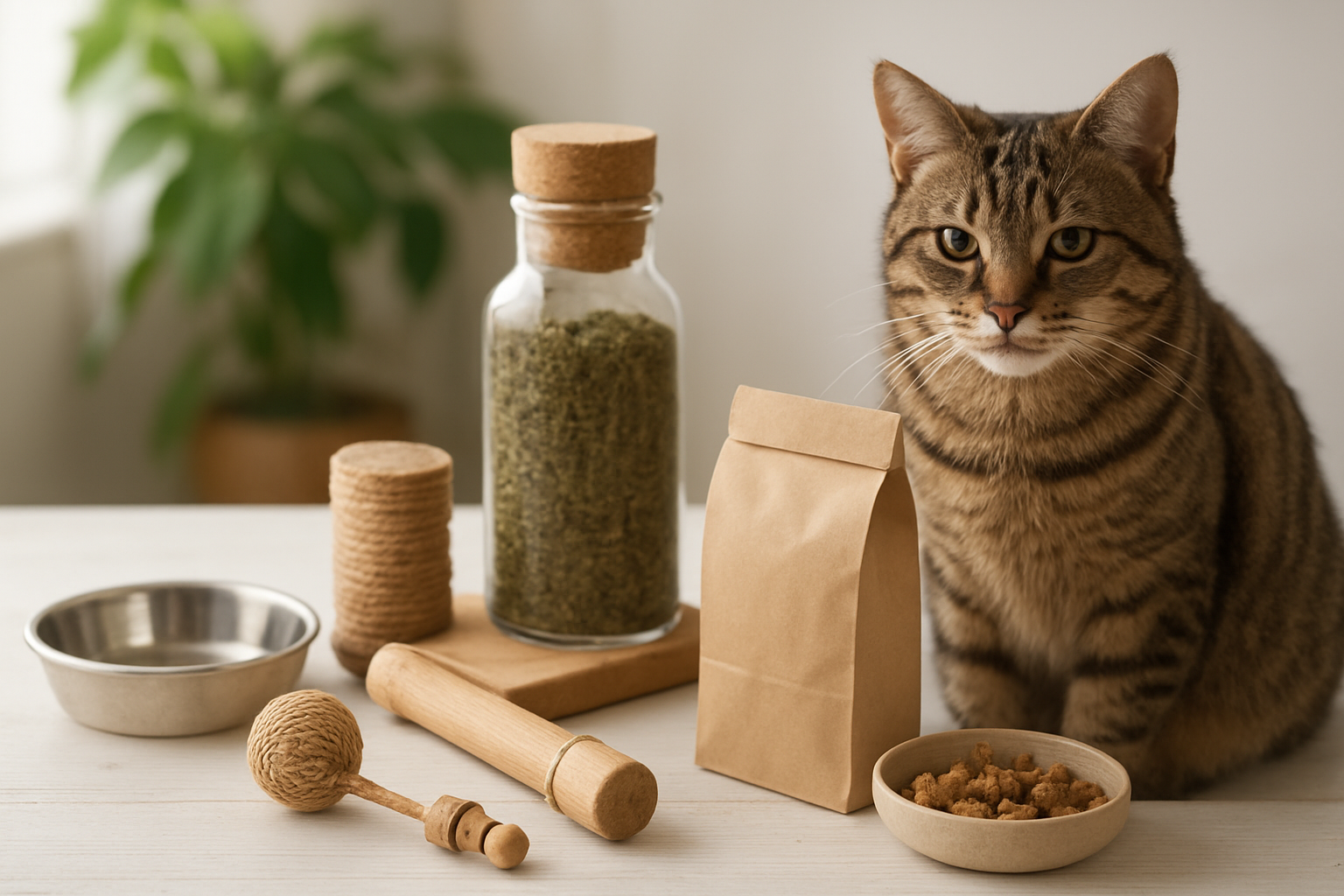
Select Natural Grooming Products Free from Harmful Chemicals
Grooming products and household cleaners used for pets can contain harsh chemicals that pollute waterways and harm wildlife, alongside posing health risks for pets. When selecting grooming products for your cat, prioritize natural and organic options that are safer for your pet's skin and the environment. These products avoid harsh chemicals, pesticides, and carcinogens often found in traditional pet care items.
Natural grooming products offer dual benefits: they protect your cat's sensitive skin while reducing environmental contamination. Unlike conventional products that release harmful substances into water systems after use, eco-friendly alternatives break down safely without leaving toxic residues that can harm aquatic life.
Use Eco-Friendly Cleaning Solutions like Vinegar and Baking Soda
When cleaning pet messes, opt for gentler, eco-friendly alternatives to synthetic chemical cleaners. White vinegar serves as an excellent streak-free cleaning solution that effectively removes stains and odors without leaving harmful residues. Baking soda functions as an odorless, non-toxic mild bleach alternative, making it perfect for neutralizing odors and cleaning various messes around your cat's living areas.
Hydrogen peroxide provides powerful disinfecting and stain removal capabilities while remaining environmentally safe. For breaking up grime and general cleaning, liquid castile soap offers an effective, plant-based solution that won't harm your cat or the planet.
Replace Single-Use Items with Reusable Cleaning Tools
Making the switch to reusable cleaning tools significantly reduces waste generation in your cat care routine. Use reusable towels or rags instead of single-use paper towels for cleaning pet messes. This simple change eliminates hundreds of paper towels from entering landfills annually.
Avoid adhesive-based lint rollers and instead opt for waste-free tools like velvet pet hair brushes or pet hair vacuum attachments. These alternatives effectively remove cat hair from furniture and clothing without generating sticky waste that cannot be recycled.
Avoid Products with Artificial Dyes, Parabens, and Sulfates
Specifically look for grooming products free from artificial dyes, fragrances, parabens, sulfates, and mineral oils. These synthetic additives serve primarily cosmetic purposes while potentially causing skin irritation and contributing to environmental pollution. Artificial dyes provide no functional benefit to your cat's health and often require harsh chemical processing that creates industrial waste.
Invest in Sustainable Pet Accessories and Toys
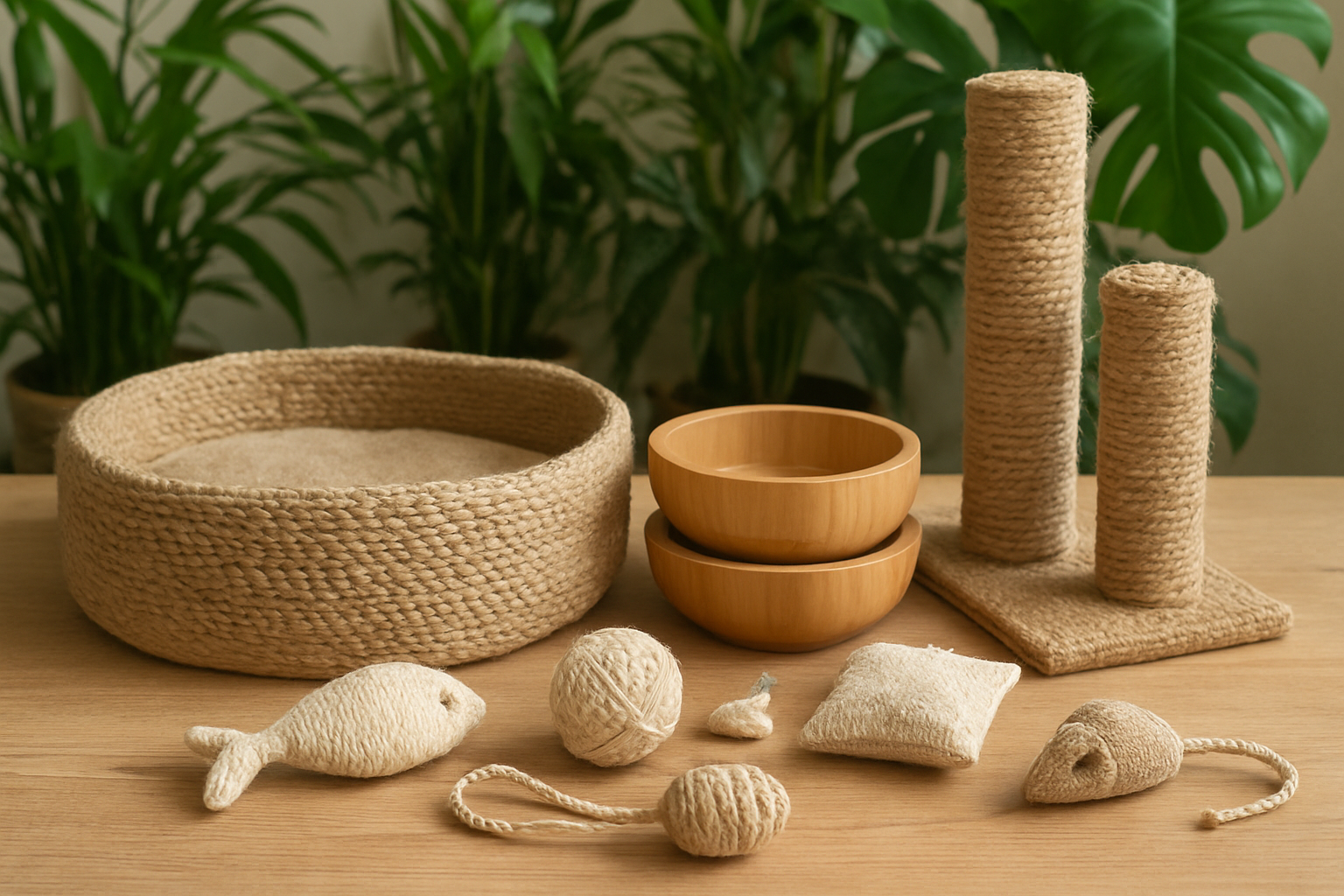
Buy products made from bamboo, recycled materials, and natural fibers
Plastic pet toys and accessories contribute to landfill waste, with plastics taking up to 1,000 years to decompose and wreaking havoc on countless species and ecosystems. The solution lies in choosing pet products made from natural, sustainable, or recycled materials that significantly reduce your cat's environmental impact.
Bamboo represents an excellent choice for cat clothing and beds due to its rapid growth rate and natural antibacterial properties. This renewable resource requires minimal water and no pesticides to grow, making it a superior alternative to conventional materials. For collars and toys, look for products crafted from recycled plastic bottles, which give new life to materials that would otherwise end up in landfills or oceans.
Natural fibers and recycled paper offer outstanding options for small pet bedding and comfort items. These materials break down naturally at the end of their lifecycle, eliminating long-term environmental concerns associated with synthetic alternatives.
Choose stainless steel or ceramic bowls over plastic alternatives
Traditional plastic pet dishes pose environmental challenges throughout their entire lifecycle. Opt for stainless-steel or ceramic pet bowls instead, as these materials offer superior durability and longevity compared to their plastic counterparts.
Stainless steel bowls resist bacteria buildup, maintain their appearance over years of use, and can be recycled.


Comments
Post a Comment