How To Make Your Cat's Life 100% Eco-Friendly
How to Make Your Cat's Life 100% Eco-Friendly
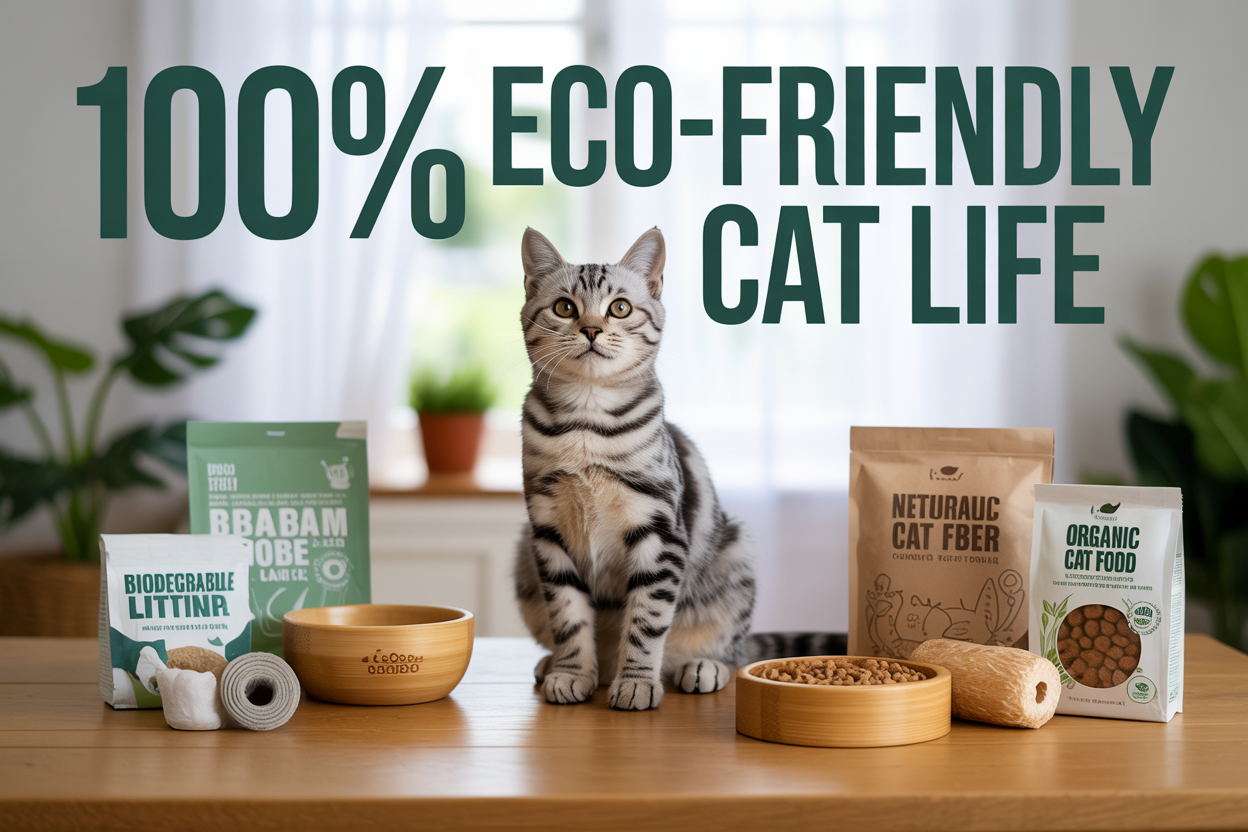
I've been thinking a lot about my cat's environmental impact lately, and honestly, it's bigger than I expected. Cats actually have the same carbon footprint as a small car, which shocked me when I first learned it. But here's the good news: I can make my cat's life 100% eco-friendly without breaking the bank or compromising her health.
This guide is for eco-conscious cat owners who want to reduce their pet's environmental impact while keeping them happy and healthy. I'll show you practical, budget-friendly ways to go green with your feline friend.
I'll walk you through choosing sustainable cat food that meets your cat's nutritional needs, implementing eco-friendly waste management practices that actually work, and selecting green cat supplies and accessories that last. You'll discover how simple swaps can dramatically shrink your cat's carbon paw print while often saving you money too.
Choose Sustainable and Eco-Friendly Cat Food Options
Select Sustainably-Sourced Meats with Lower Environmental Impact
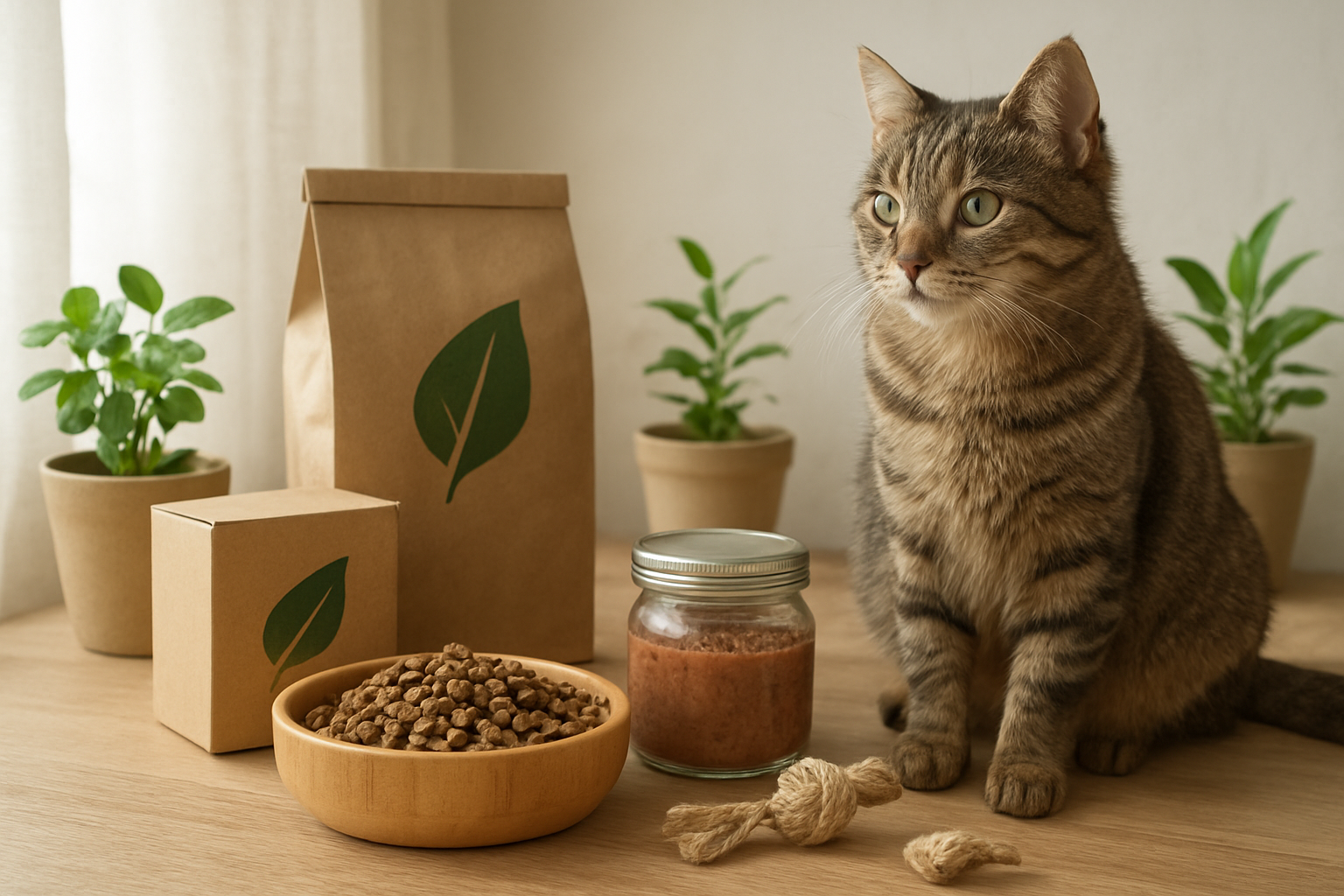
When I'm choosing sustainable cat food, I prioritize meats that have a significantly lower carbon footprint than traditional options. I've discovered that poultry, chicken, and rabbit are excellent choices for eco-conscious cat owners like myself. These protein sources require fewer natural resources and produce considerably less greenhouse gas emissions compared to red meats like beef. By selecting cat foods featuring these sustainably-sourced meats, I'm reducing my cat's environmental pawprint while still providing the high-quality protein they need to thrive.
Opt for Marine Stewardship Council Certified Fish Over Unsustainable Tuna
I make it a point to avoid unsustainable fish options when selecting my cat's food, particularly Atlantic, Pacific Bluefin, and Yellowfin tuna. These species are caught using destructive fishing practices that result in high bycatch rates, devastating marine ecosystems. Instead, I choose sustainable fish options like farmed salmon or sardines that carry Marine Stewardship Council certification. This certification ensures that the fish comes from well-managed fisheries that maintain healthy ocean ecosystems. By making this conscious choice, I'm supporting responsible fishing practices while providing my cat with nutritious, omega-3 rich protein.
Consider Homemade Cat Food with Organic and Local Ingredients
Making homemade cat food using organic and local ingredients has become one of my favorite ways to drastically reduce my cat's environmental impact. When I prepare meals at home, I eliminate excessive processing and packaging materials that contribute to waste. I source organic ingredients from local farmers and suppliers, which reduces transportation emissions and supports my community's sustainable agriculture. This approach allows me to control exactly what goes into my cat's diet while minimizing the environmental footprint associated with commercial food production.
Choose Organic and Locally-Produced Commercial Cat Food
For times when homemade food isn't practical, I select organic and locally-produced commercial cat food options. These products further reduce environmental impact by supporting local businesses and reducing transportation distances. Organic certification ensures that the ingredients are produced without harmful pesticides and chemicals that can damage ecosystems, making this choice beneficial for both my cat's health and environmental sustainability.
Implement Sustainable Waste Management Practices
Switch to biodegradable natural litter materials
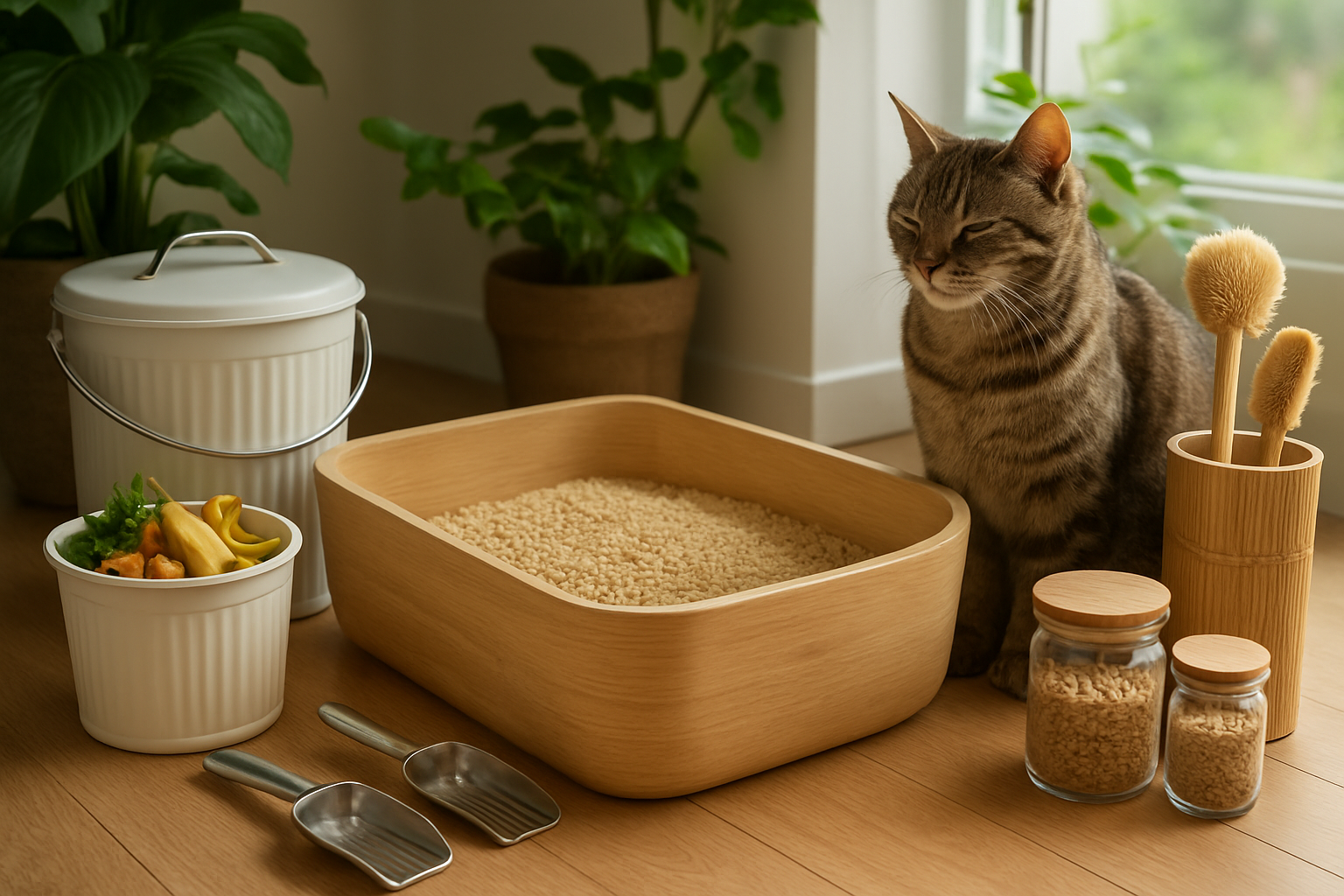
When I decided to make my cat's life more eco-friendly, I discovered that switching to biodegradable natural litter materials was one of the most impactful changes I could make. Traditional cat litters often contain harmful chemicals that can negatively affect both my cat's health and the environment. Now, I exclusively use sustainable cat litter options made from natural materials.
I've found excellent eco-friendly cat litter alternatives made from sawdust, walnut shells, wheat, corn, or recycled paper. These biodegradable options break down naturally without leaving harmful residues in landfills. The sawdust-based litters I've tried offer excellent odor control, while walnut shell litters provide superior clumping abilities. Wheat and corn-based options work wonderfully for cats with sensitive paws, and recycled paper litters are perfect for post-surgery recovery periods.
What I love most about these sustainable pet waste management solutions is that they're not only better for the environment but often perform just as well as, if not better than, traditional clay litters. The natural materials absorb moisture effectively and control odors without relying on artificial fragrances or chemicals.
Properly dispose of cat waste to protect local wildlife and water systems
I've learned that proper disposal of cat waste is crucial for protecting our local ecosystems. When I first started researching environmentally responsible pet ownership, I was shocked to discover that outdoor cat poop can expose wildlife to harmful pathogens and contaminate the environment with veterinary medications.
The EPA actually lists pet waste as a nonpoint pollutant, which means it contributes to water pollution when not disposed of properly. What's even more concerning is that improper disposal has been linked to declines in dolphin populations due to contamination of marine environments. This knowledge completely changed how I approach waste management for my cat.
Now I ensure that all cat waste goes directly into sealed bags and into the regular trash collection system. I never allow cat waste to wash into storm drains or waterways, as this can introduce harmful bacteria and parasites into aquatic ecosystems. By following proper disposal methods, I'm protecting both terrestrial and marine wildlife from exposure to pathogens that could devastate their populations.
Avoid composting cat waste near edible plants for safety reasons
While I'm passionate about composting as part of my eco-conscious cat owner lifestyle, I've learned that cat waste requires special consideration for biosafety reasons. Cat feces contains bacteria that can survive in soil and make people sick, which is why I never include it in my regular composting efforts.
The bacteria present in cat waste can persist in soil for extended periods, creating potential health hazards for anyone who comes into contact with plants grown in contaminated soil. This is particularly dangerous when dealing with edible plants, as the pathogens can transfer to vegetables, herbs, or fruits that I might consume.
I discovered that most cities actually prohibit pet waste in municipal composting programs for these exact safety reasons. Instead of risking contamination, I dispose of cat waste through regular waste collection channels. This approach ensures that I maintain my commitment to green cleaning for cats and environmental responsibility without compromising human health or food safety. The separation of cat waste from regular composting materials is a crucial aspect of sustainable pet waste management that every environmentally responsible pet owner should follow.
Select Eco-Friendly Cat Supplies and Accessories
Choose toys made from natural materials like wool, cotton, and bamboo
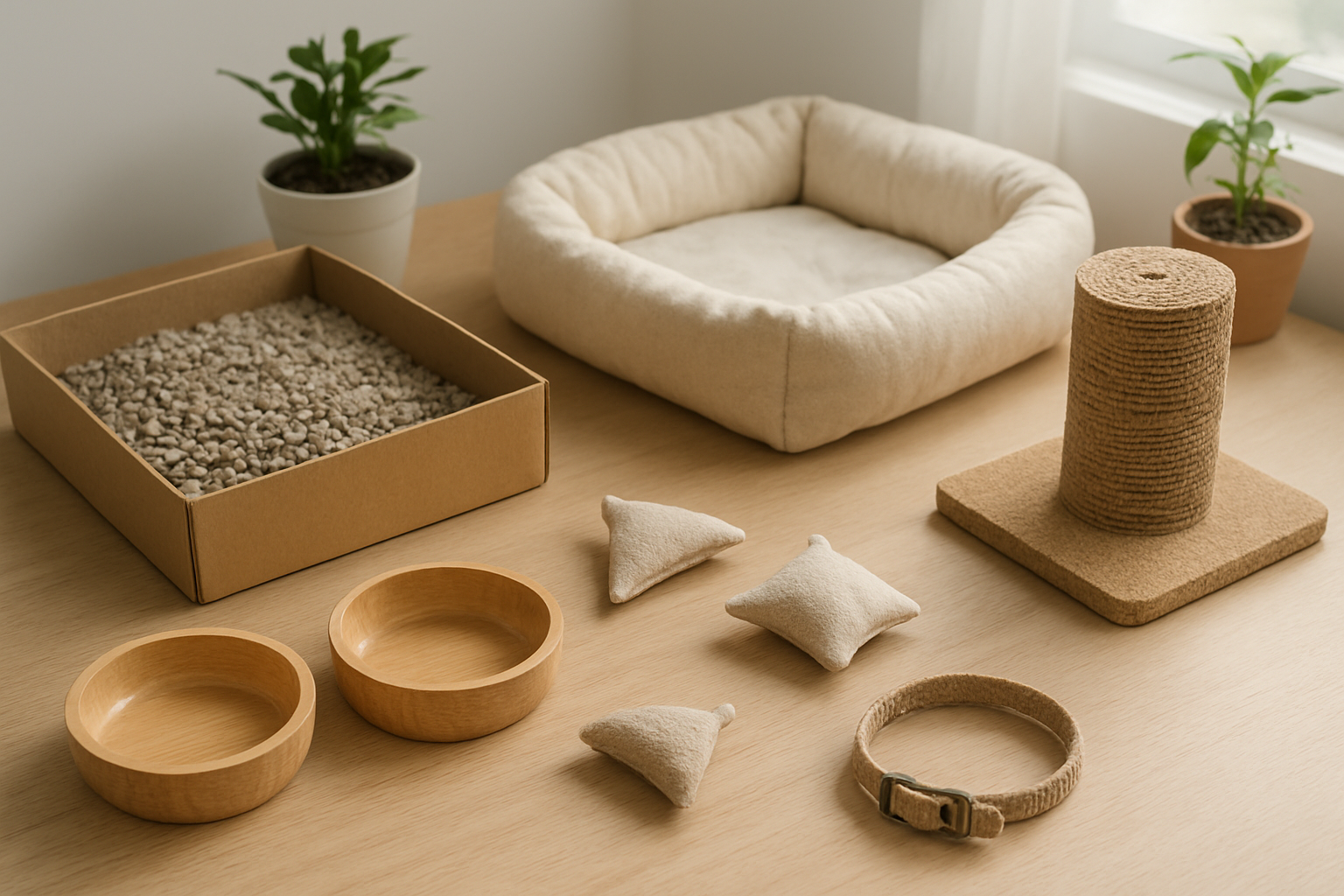
Now that we've covered sustainable waste management practices, I want to focus on selecting green cat supplies and environmentally friendly pet products that make a real difference. When choosing toys for my cat, I prioritize natural materials like wool, organic cotton, bamboo, and hemp over conventional options. Many traditional cat toys use non-recyclable materials that inevitably end up in landfills, contributing to environmental waste. By opting for sustainable cat toys made from these natural fibers, I ensure my feline friend enjoys safe playtime while supporting eco-conscious cat owner practices.
Buy secondhand or DIY cat toys and accessories
I've discovered that buying secondhand cat accessories is an excellent way to reduce my environmental footprint while saving money. Local secondhand marketplaces offer pre-loved items that are often in excellent condition. Additionally, I love creating DIY projects using household items like cardboard boxes and fabric scraps for entertainment. These repurposed materials provide endless fun for my cat while keeping waste out of landfills and supporting environmentally responsible pet ownership.
Use plastic-free and recyclable packaging products
With sustainability in mind, I always opt for pet products sold in plastic-free or recyclable packaging. When shopping for green cat supplies, I specifically look for items made from plastic-free materials like bamboo, wool, hemp, and organic cotton. This conscious choice significantly reduces the plastic waste associated with traditional pet products and aligns with my commitment to eco-friendly cat care.
Select machine-washable and durable cat products
I prioritize machine-washable and durable cat products, particularly for items like plush toys and pet beds. By ensuring good quality, these items last longer and reduce their overall environmental impact. Investing in well-made, sustainable products means fewer replacements and less waste over time, making it a smart choice for both my budget and the planet.
Adopt Green Cleaning and Maintenance Practices
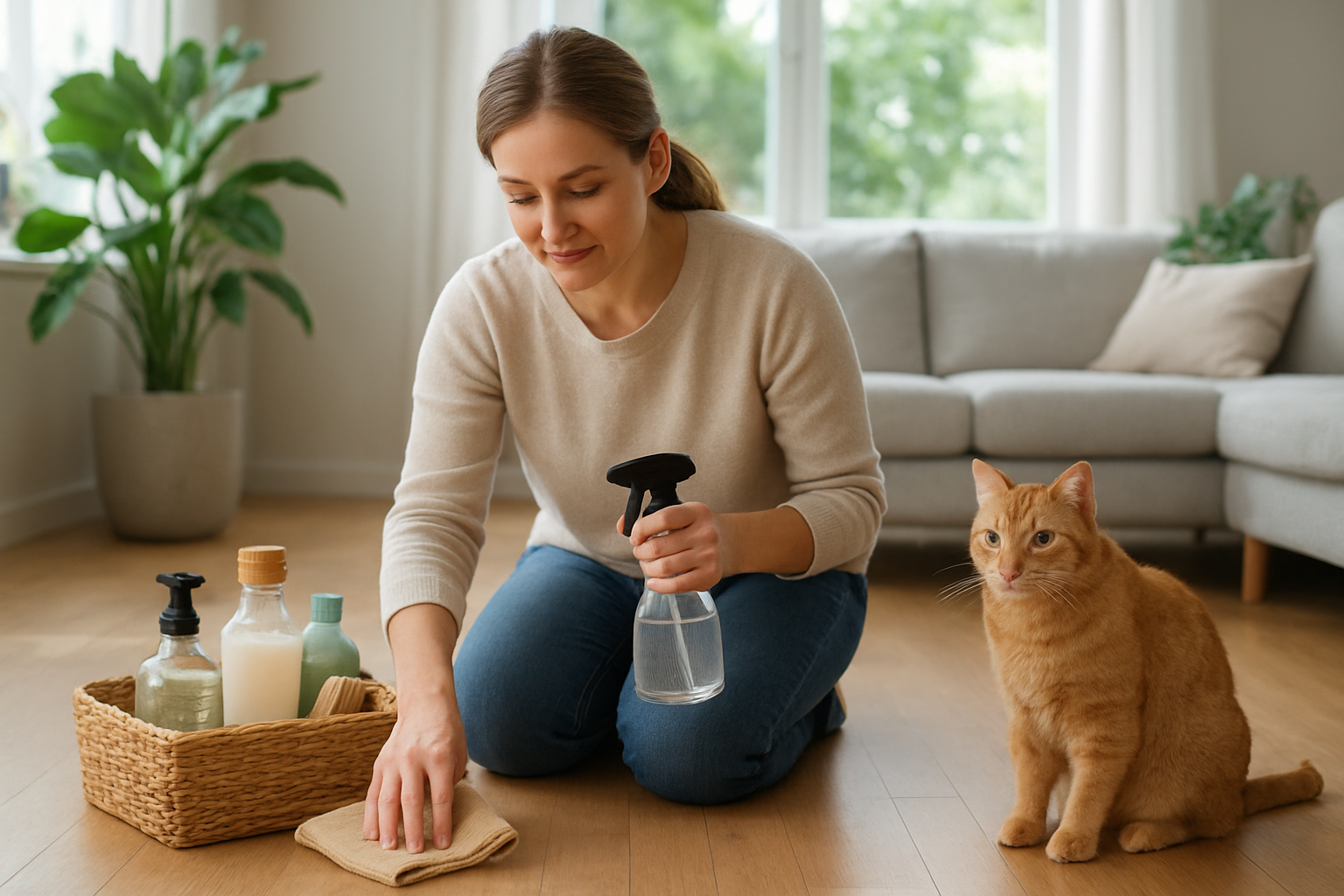
Use energy-efficient vacuums and renewable power sources
When it comes to maintaining my eco-friendly cat care routine, I've discovered that choosing energy-efficient vacuums makes a significant difference in minimizing my environmental impact from cleaning. These modern vacuum cleaners consume substantially less electricity while still effectively removing cat hair, litter particles, and dander from my home. I also prioritize using renewable power sources for my home's energy needs, which further reduces the carbon footprint associated with my cleaning activities. By combining these two approaches, I can maintain a spotless environment for my feline companion while staying true to my environmental values.
Choose earth-friendly soaps and detergents
I've made the conscious decision to select earth-friendly so


Comments
Post a Comment